MarketPedia Inc.™
Geopolitics · 20 November 2026
GeopoliticsInvestigation
Brussels and London narrow Brexit reset but dodge hardest questions
Negotiators have agreed a food-standards and youth-mobility package worth billions, but contributions to EU funds and industrial status for British exporters stay unresolved before Friday's summit.
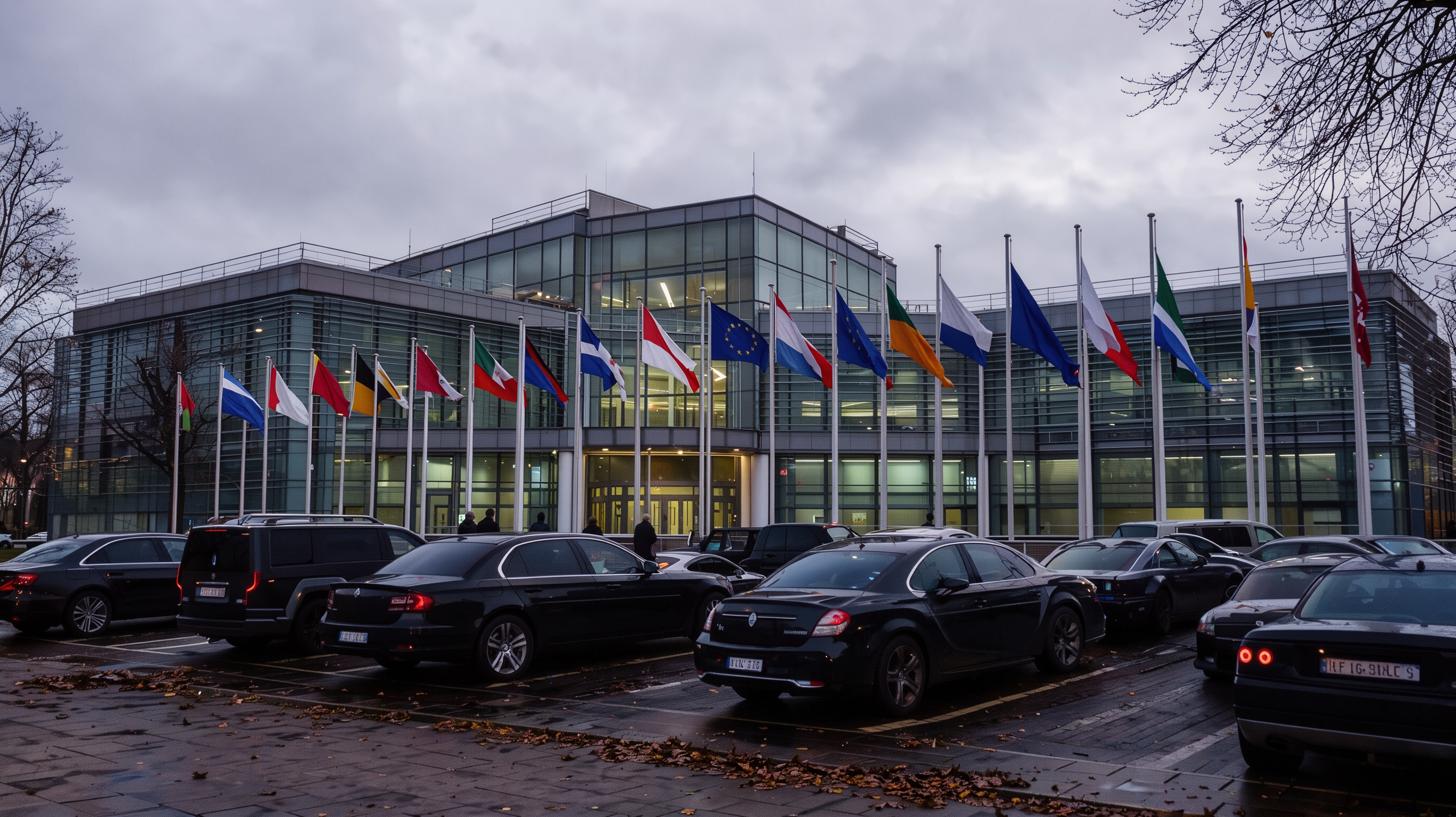
In Brussels on Friday, Prime Minister Andy Burnham meets European Council President António Costa and European Commission President Ursula von der Leyen for the second EU-UK summit since last year's reset. At stake is a package of three agreements covering food standards, carbon markets and youth mobility.
The gathering comes a year after the first summit promised closer ties without fixing deadlines for most of them. The UK government's own response to a House of Commons inquiry into UK-EU relations, published on November 19, acknowledged that progress since Brexit has stayed limited.
That admission sets the bar for Friday low. Anything concrete now counts as movement.
Negotiators have spent the past year drafting three agreements: on agrifood standards, on linking the UK and EU emissions trading systems, and on a Youth Experience Scheme for people moving between the two markets. Maroš Šefčovič, the European Commissioner, set out the package to the EU-UK Parliamentary Partnership Assembly in Brussels on November 16.
"To cross it, we need to deliver the package of three agreements we have been negotiating since last year, in the sanitary and phytosanitary area, linking our emissions trading schemes and a Youth Experience Scheme," Šefčovič said.
The dates attached to each item in the draft reviewed suggest which parts are furthest along. Food and carbon carry firm target dates. Mobility, by contrast, still has gaps where numbers should be.
Food, carbon and a visa by another name
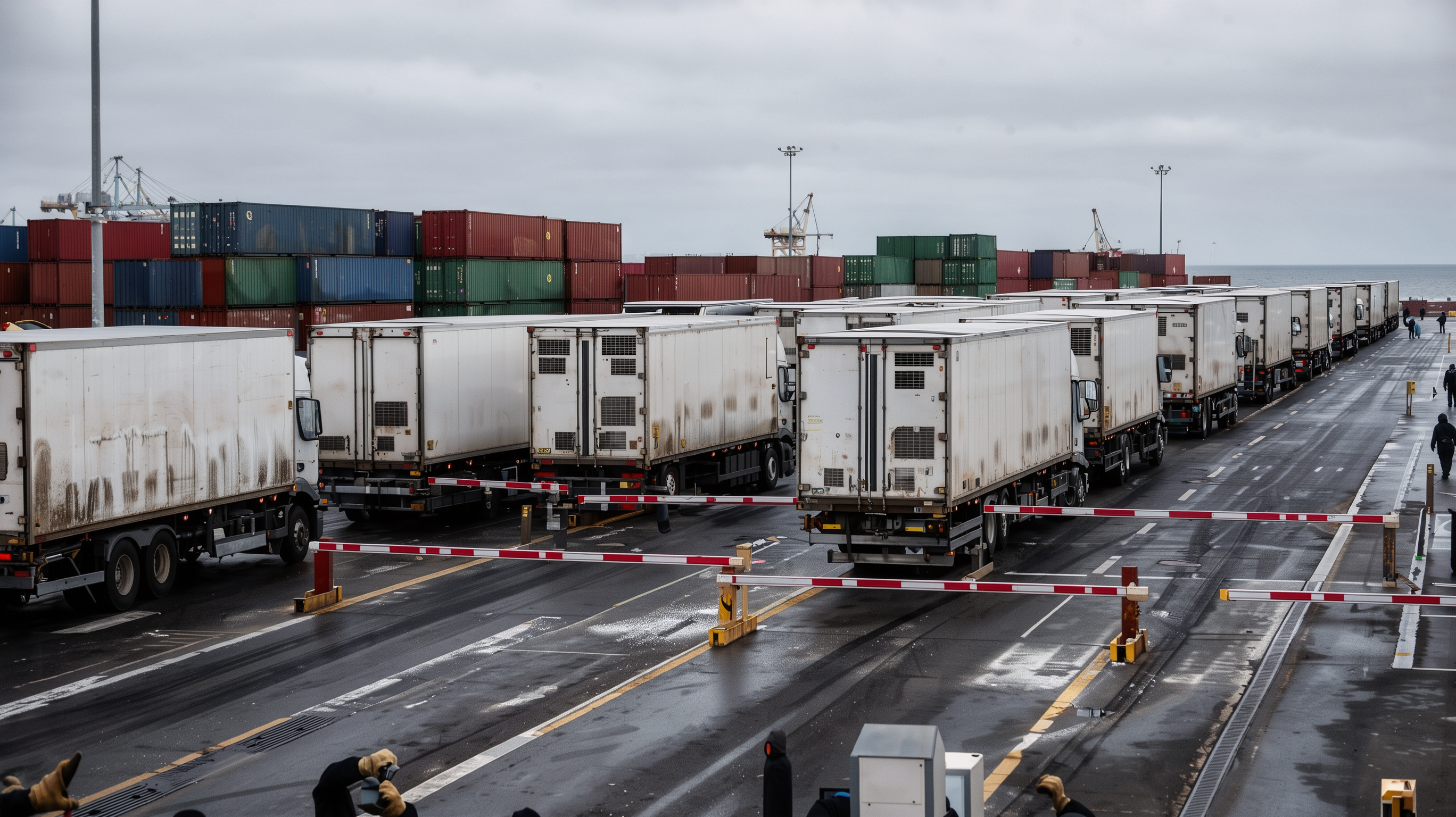
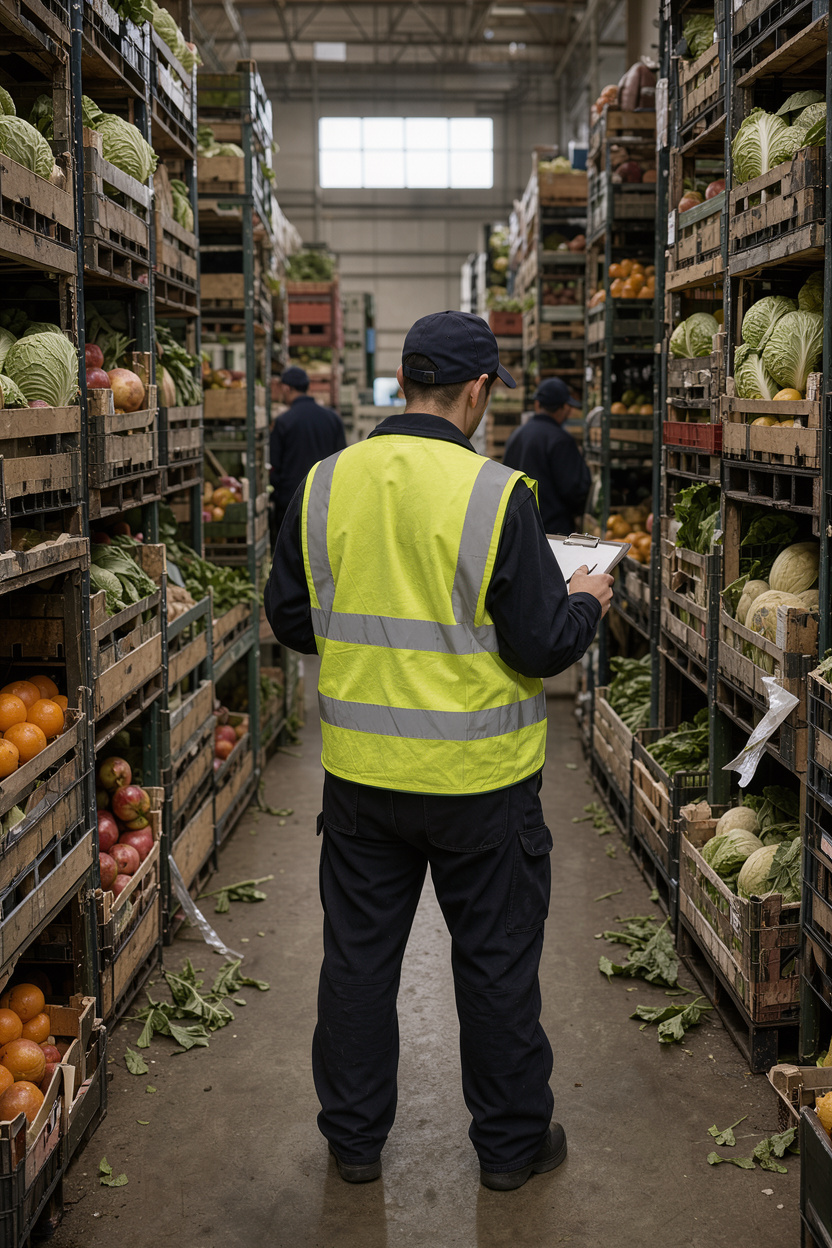
The agrifood agreement would scrap border checks and certification for most animal and plant products by March 1, 2028, according to a leaked draft of the summit statement.
UK government estimates cited by EUobserver put the gain from a food and drink trade deal at £5.1 billion a year, and from linking the two carbon markets at a further £3.8 billion a year. Those figures, if they hold, would be the first sizeable economic dividend either government has attached to the reset process.
They matter to exporters who have absorbed certification costs since Britain left the EU single market. The UK has not, however, committed to a date for switching on the ETS link. It has promised only to act "as soon as feasible."
That vagueness gives Brussels leverage to tie the carbon link to other unresolved files. It is not, on its own, proof the deal itself is at risk. The two things read differently to a trade negotiator and to a steelmaker waiting on a border tariff.
The Youth Experience Scheme would let young people live, work or study in each other's territory for up to three years. It is targeted for launch in January 2030, according to the leaked draft.
It is expected to involve about 100,000 participants, though the final number has not been settled, EUobserver reported, citing UK government figures.
Whether the EU's demand for equal tuition fees for students crossing in either direction survives into the final text is not clear from the documents reviewed. That single clause could decide how the scheme is used in practice, by whom, and from which side of the Channel.
Electricity, cohesion funds and a price not yet named
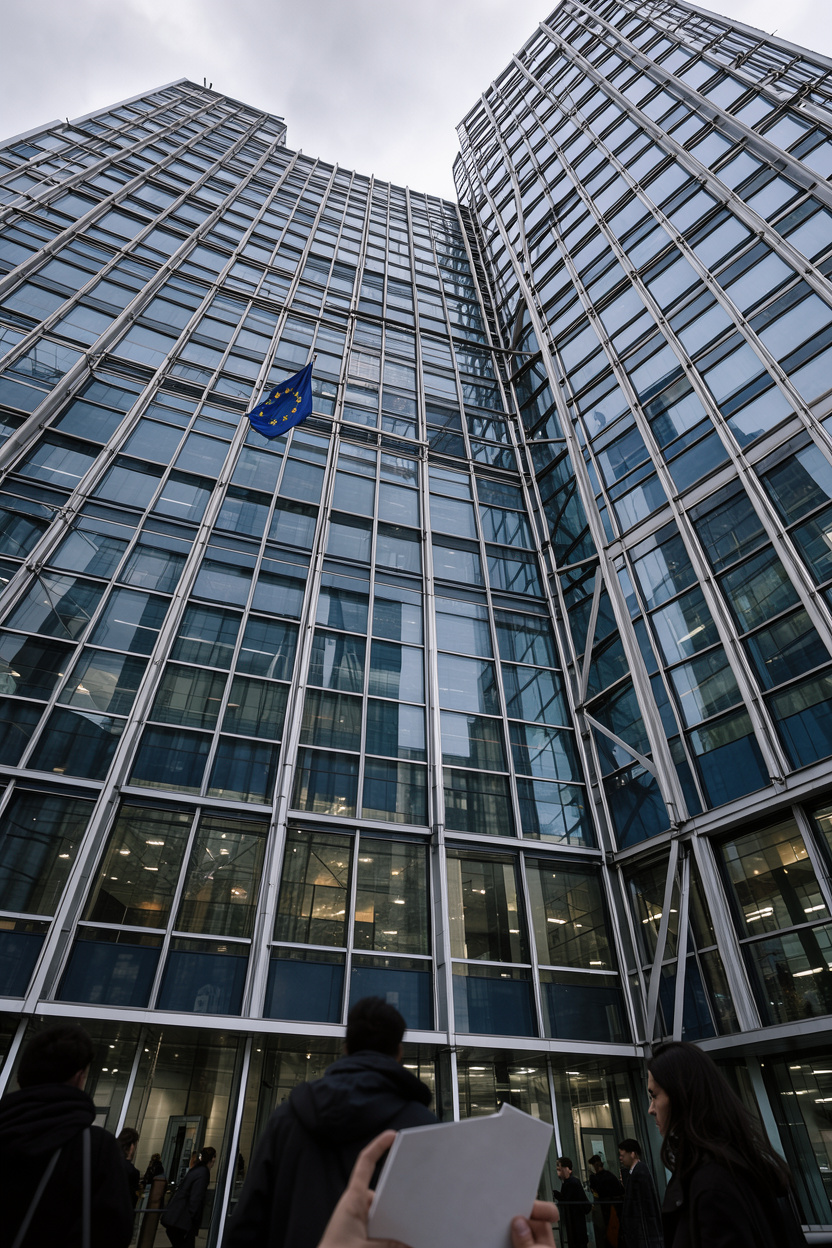
Talks continue separately over UK access to the EU's internal electricity market. Brussels is conditioning that access on a London contribution to its cohesion funds, Šefčovič said.
No figure for that contribution appears in any document reviewed. What the UK would pay, and when, is not disclosed in the draft.
That silence is itself a kind of answer. Neither side appears ready to put a number on the table before Friday, which suggests the issue is being parked rather than resolved.
'Trusted partnership' quietly dropped
The phrase "trusted partnership," present in earlier drafts, was removed from the summit statement. It reflects disagreement over whether Britain should receive "Made in Europe" status for industrial support and public procurement, according to a House of Commons committee report published on November 19.
What, if anything, London has proposed in its place is not stated in the material reviewed. The question of whether British-built cars and components would qualify for EU industrial subsidies, tied to rules on local content and alignment with EU trade defences, stays open. The documents reviewed do not say if or when it will be settled.
France has separately raised objections to British firms gaining access to the EU's Security Action for Europe defence procurement fund, known as SAFE, according to the same report. Paris has not, on the evidence available, offered a route around its own objection.
Mood music versus milestones
"At this week's summit, business needs milestones, not mood music," said Liam Byrne, the Labour MP who chairs the House of Commons Business, Innovation, Science and Trade Committee, commenting on the report published on November 19.
"Firms are trying to decide whether to invest, hire or export and need to know what the rules will be, when they will change and how to prepare," he said.
The committee pressed ministers for a specific timeline on the ETS link rather than open-ended assurances. Carbon-intensive exporters, it argued, face border charges without one.
EUobserver described the mood around the summit as "mutual love-bombing." It said it is now for British ministers to decide what substance follows the warmth.
Warm words have been plentiful since the first summit. Byrne's committee wants something harder to produce: a date that survives contact with the next round of talks.
What the package leaves open
A digital partnership covering artificial intelligence, secure connectivity and digital identities is due to launch separately in early 2027, according to the committee's report.
The Withdrawal Agreement Joint Committee met on November 10 and issued its own statement on implementing existing arrangements. It is a reminder that much of the UK-EU relationship still runs on the exit treaty signed after Brexit.
Britain also signed a joint statement with Nordic and Baltic governments at the Atlantic Future Forum on November 16, a parallel effort on security coordination outside the formal EU-UK summit track. That track runs on its own clock, separate from Friday's talks in Brussels.
Negotiators have not said when the electricity question, or the French objection over SAFE, will be resolved. Friday's statement in Brussels covers food, carbon and young travellers. The bill for everything else has yet to be written.