MarketPedia Inc.™
Geopolitics · 15 November 2026
GeopoliticsNews report
Caspian energy exporters gain edge, IMF says
Azerbaijan, Kazakhstan and Turkmenistan are drawing trade and investment as alternative routes to Russia and Iran, even as the IMF warns of shallow export diversification and inflation risks.
The International Monetary Fund said in a report released on Friday that Azerbaijan, Kazakhstan and Turkmenistan are positioned to benefit from current conditions in global energy markets, even as neighboring economies absorb the cost of higher fuel prices.
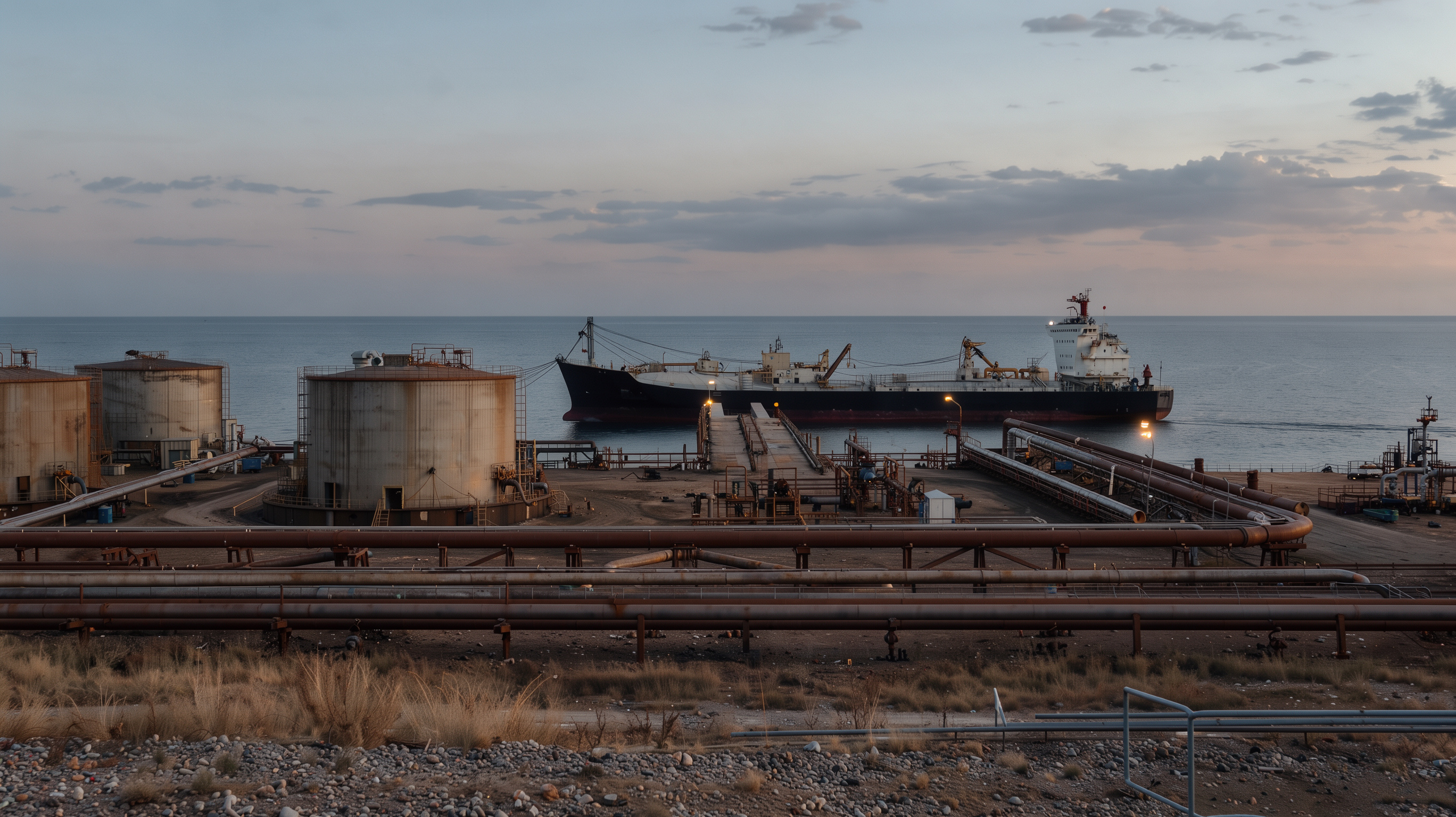
The three oil and gas exporters are drawing fresh trade and investment as companies and governments look for routes around Russia and Iran, the Fund said.
Routes around old chokepoints
"The Caucasus and Central Asia are acquiring increasing importance as alternative transport corridors for trade that was previously directed toward Russia, Iran and the Persian Gulf," said Roberto Cardarelli, assistant director of the IMF's Middle East and Central Asia department, at a roundtable with reporters on Friday.
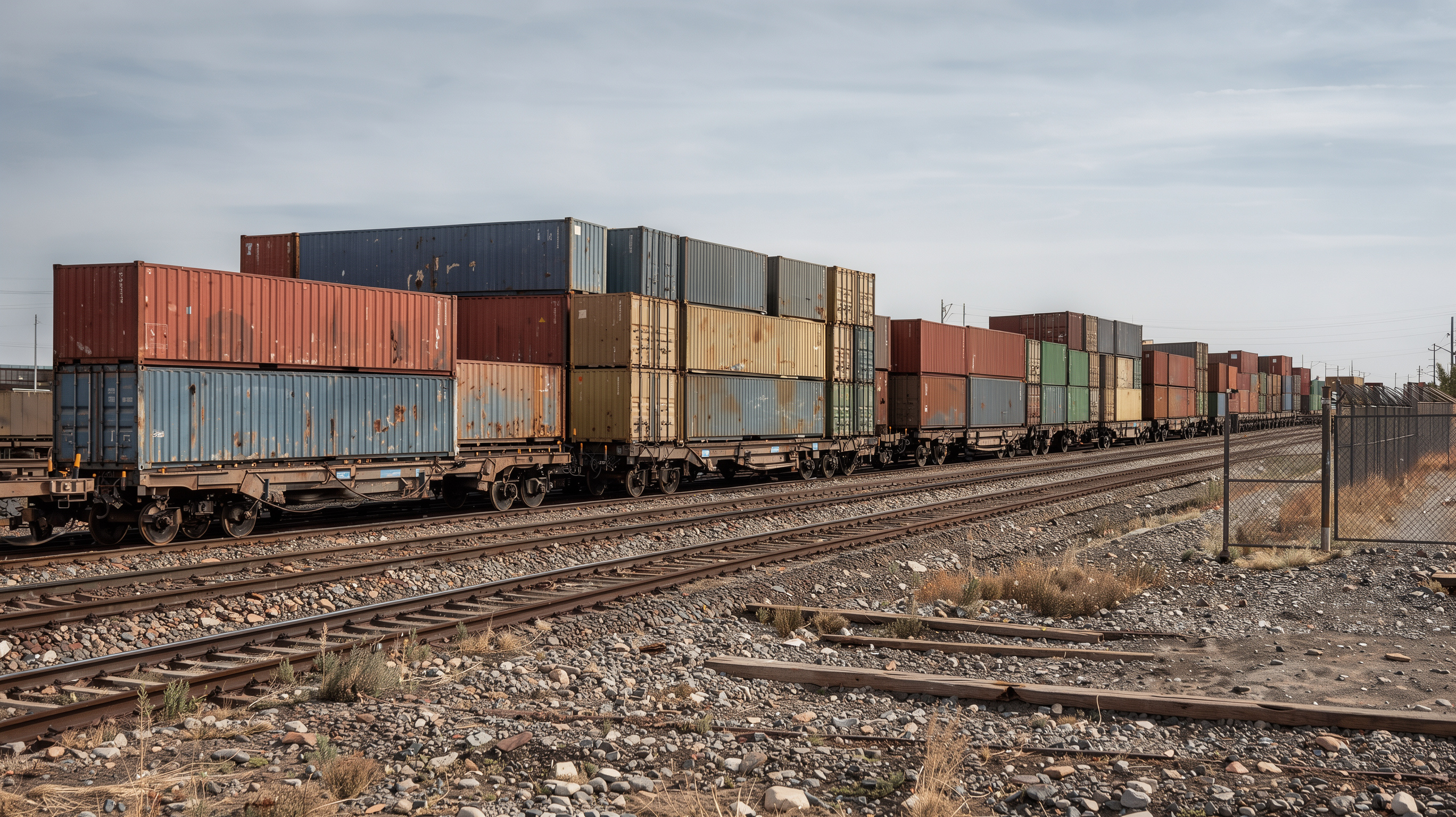
Trade that once moved by rail and pipeline through Russia, or by ship through Iran and the Gulf, has shifted toward the Caucasus and Central Asia, the Fund said. It tied the change to sanctions on Moscow and to tension in the Middle East.
Kazakhstan is the clearest beneficiary on the Fund's own numbers. The IMF projects the country's economy will grow 4.4% in 2026, the fastest pace among oil exporters in its Middle East and Central Asia grouping, Euronews reported on Nov. 6, citing the Fund's outlook.
Growth is expected to pick up further in 2027 despite ongoing tension in the region, Euronews reported, citing the forecast. The Fund has not detailed the exact pace of that acceleration.
Deals stacking up beyond oil
The gains reach beyond barrels of crude. Uzbekistan and the United States signed $12bn worth of agreements on mining, energy and transport in October, according to the Caspian Policy Center, a Washington research group that tracks the region.
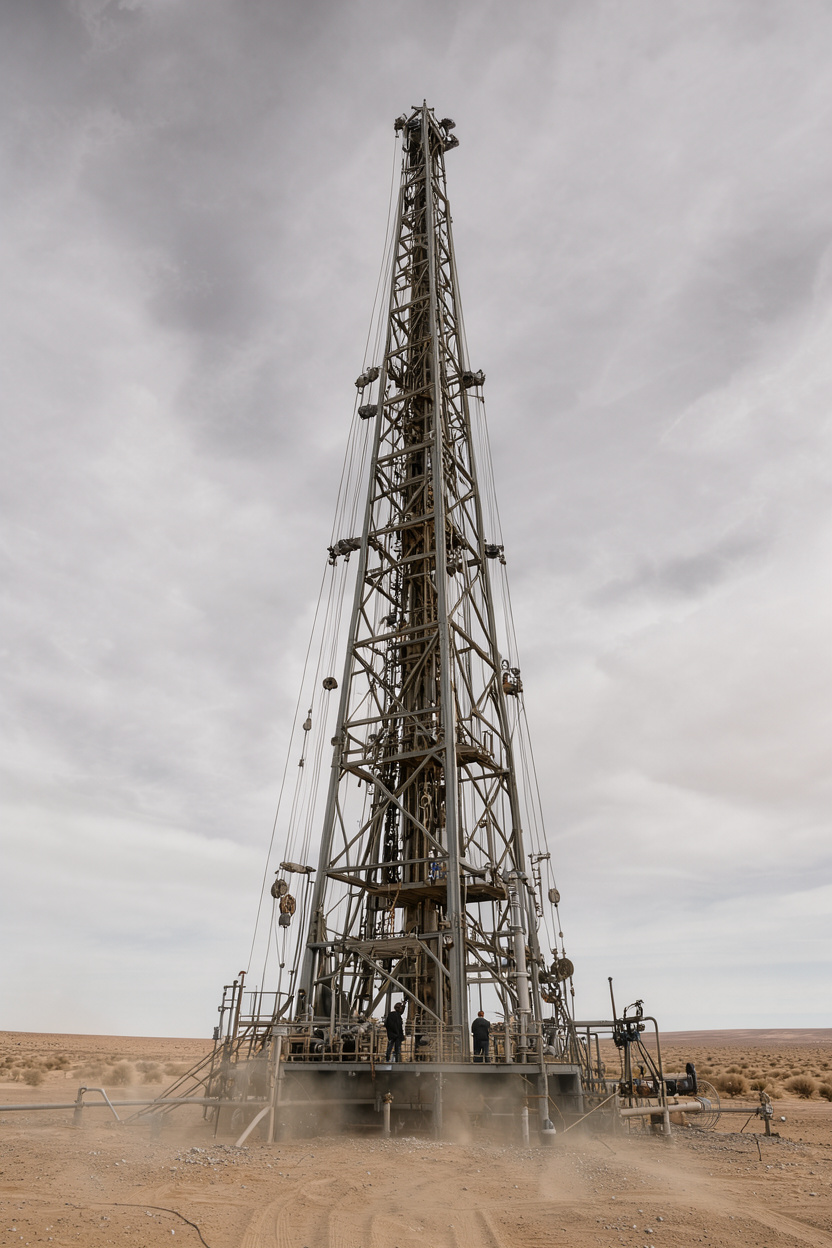
Ashgabat hosted the 31st International Conference and Exhibition Oil and Gas of Turkmenistan from Oct. 21 to Oct. 23, drawing the kind of commercial attention that a decade ago would have gone to Moscow, the center said.
Separately, the center reported that five governments, Kazakhstan, Kyrgyzstan, Tajikistan, Turkmenistan and Uzbekistan, are discussing a $5bn gas network meant to link their transmission systems. That figure comes from the center's own reporting on the industry, not from the IMF, which did not address the project in its outlook.
Whether the network can clear the financing and political hurdles needed to reach buyers in Europe is a question the Fund's report leaves open.
Washington and Beijing both at the table
China is pressing its own case. Kazakhstan and Beijing are discussing a direct investment fund with initial capital of up to $200 million, and Kazakhstan has raised the number of permitted weekly flights to China from 150 to 180, OilPrice.com reported on Nov. 11.
Taken together, the trade and investment figures point to a region collecting offers from both Washington and Beijing rather than choosing between them, as Russia's leverage erodes. That reading is an interpretation of the data, not a finding in the IMF's report.
A warning under the growth numbers
The Fund's resilience story carries a caution. Oil-importing countries in the region could see growth run as much as 0.5 percentage points below baseline forecasts because of higher energy costs, the Fund said.
Regional central banks need to keep tightening monetary policy as the first line of defense against inflation that has not fully retreated, the Fund said, a recommendation that applies across its wider Middle East and Central Asia grouping, not only the three energy exporters.
The deeper issue, in the Fund's own telling, is structural. "The region is essentially on par with the rest of the world in the geography of export and import markets, as well as in the range of imported goods. However, it lags behind in the diversity of exported products," said Florian Misch, senior economist at the IMF's Middle East and Central Asia department, at the outlook's presentation in Uzbekistan on Friday.
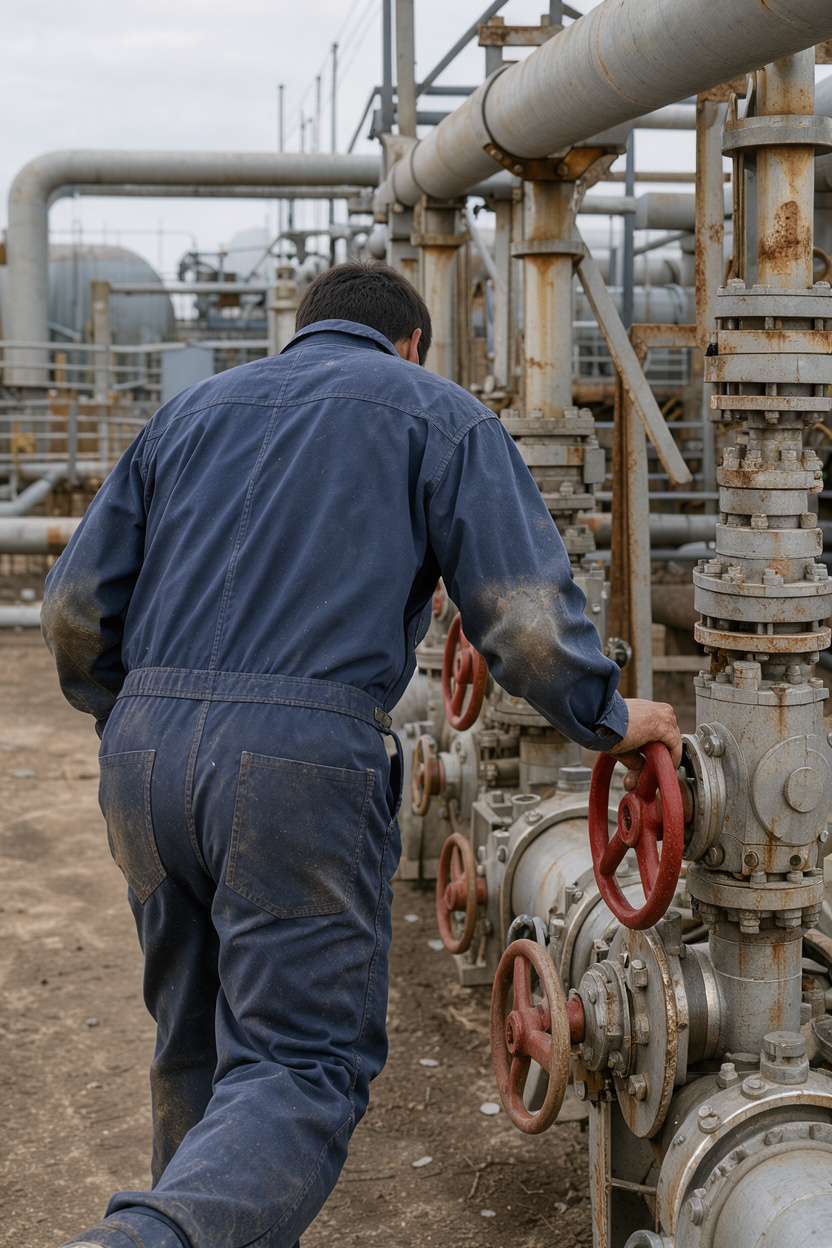
Oil, gas and a handful of metals still dominate what Azerbaijan, Kazakhstan and Turkmenistan sell abroad, leaving them exposed if energy demand shifts faster than new revenue streams can be built.
The report does not say what fiscal buffers each government has set aside should energy prices fall sharply and stay down.
November figures on inflation and reserves across the three countries are not yet out, the Fund said.