MarketPedia Inc.™
Economy · 21 November 2026
EconomyAnalysis
Cheaper oil cools inflation fears, not central banks' plans
Brent's slide to $96 a barrel from October's $116 peak offers a disinflationary breather, but the European Central Bank and the Bank of Japan still plan December rate rises.
Brent crude has slid to an average near $96 a barrel so far in November, down from a peak above $116 in October, as tensions eased in the Strait of Hormuz, S&P Global said. Futures were trading in the low $90s by November 20, Euronext data showed.
The relief is real for drivers and shippers bracing for winter fuel bills. It has not persuaded central bankers to change course.
S&P Global still expects the European Central Bank and the Bank of Japan to raise rates by 25 basis points each in December, lifting the ECB's policy rate to 2.75% and the Bank of Japan's to 1.50%. The gap between a softer headline inflation outlook and a tightening bias at the world's biggest central banks is the story now.
Put together, the reports from S&P Global, KBC and RBC Economics describe the same divide: inflation gauges cooling on paper while the officials who set interest rates keep their guard up. That gap, not the price of crude alone, looks likely to decide how fast borrowing costs come down in 2027.
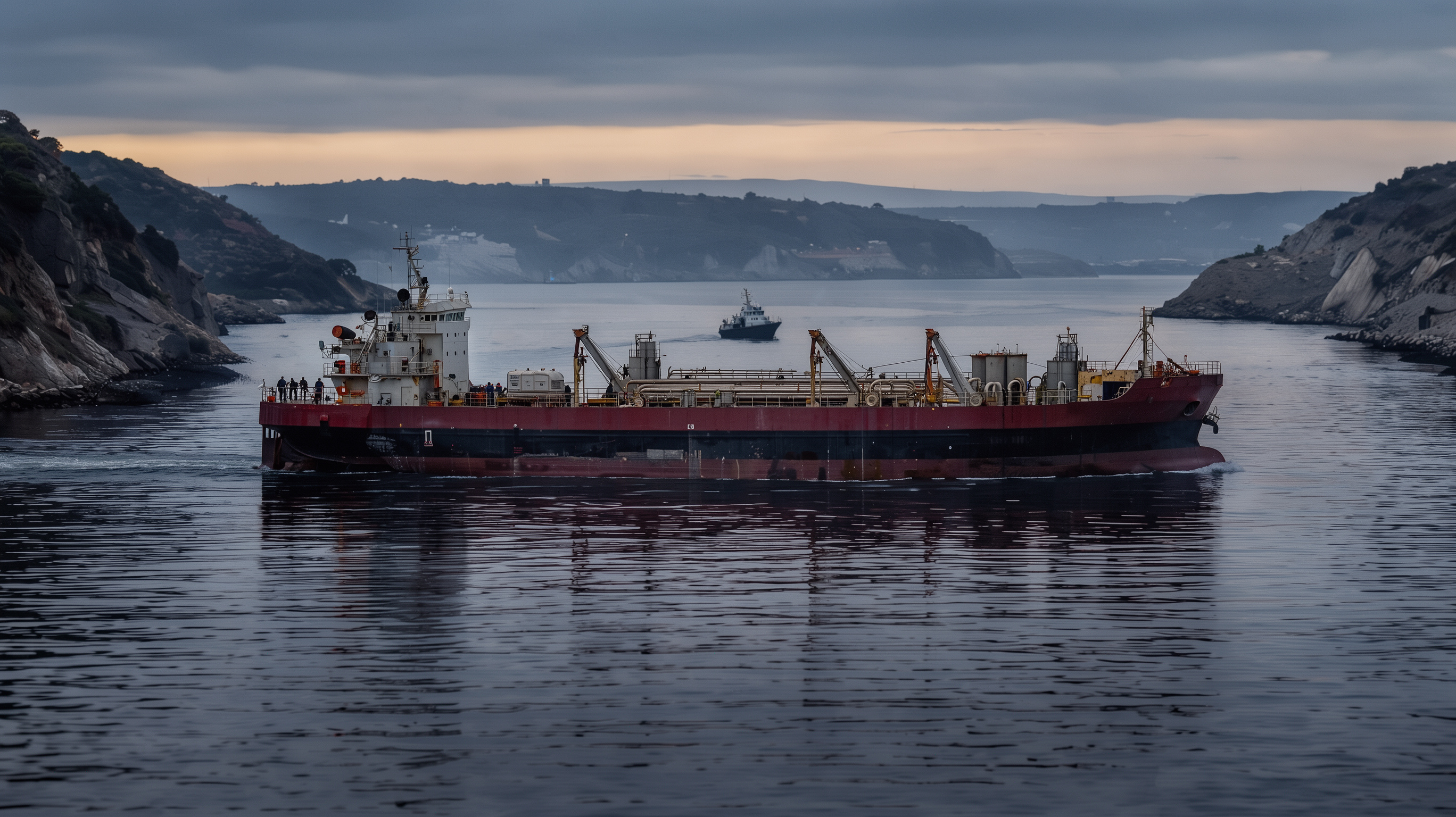
A glut, not a truce
The price drop looks less like peace than like arithmetic. Global oil supply rose by 2.3 million barrels a day to 105.4 million barrels a day in October, the International Energy Agency reported. Rising US crude stockpiles added to the surplus, Euronext reported, and recovering exports from the Middle East pushed the market further into oversupply, CNBC reported.
That is three separate sources of extra crude landing in the same month. Supply, not any settlement of the underlying dispute, explains most of the price fall. CNBC reported that the rebound in Middle Eastern flows followed months of reduced exports tied to the same Hormuz tensions that had pushed prices up in October.
The attacks have not stopped. Maritime security monitors recorded roughly one reported attack a day in the Strait of Hormuz through November, according to incident tracking cited in reports reviewed for this story. Prices fell anyway. That split, more oil against unresolved risk, is what traders are pricing into Brent right now.
Fatih Birol, the IEA's executive director, framed the danger plainly. "I don't see any credible pathway back to the situation that existed in February 2026," he said. "Shipping flows through the Strait of Hormuz have been blocked once, with a hugely disruptive effect on oil and gas markets. It can happen again".
The likelier reading is that markets are pricing a pause in hostilities, not a settlement. No source reviewed for this report specifies when that pause might end. The absence of a clear endpoint is itself a risk that current prices may not fully reflect.
Headline relief, core resistance
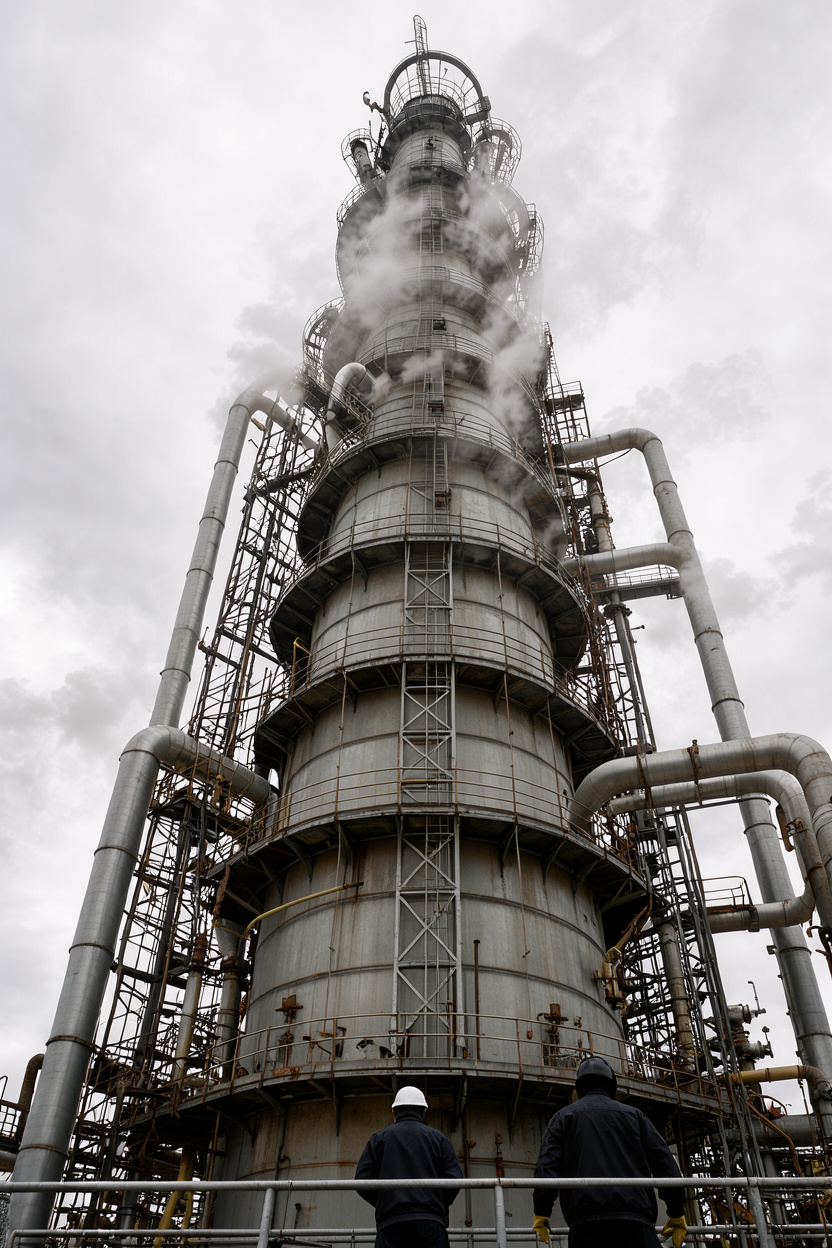
Cheaper crude is already showing up in forecasts. KBC cut its 2026 and 2027 euro area inflation projections by 0.1 percentage point, citing lower energy prices. That is a real, if modest, disinflationary tailwind for households facing winter heating bills.
For a euro area household paying a winter gas bill, a tenth of a percentage point in the inflation forecast is a small mercy, but a real one. KBC's revision covers both 2026 and 2027, suggesting its economists see the energy effect lasting longer than a single month's data, even if central bankers treat the relief as temporary.
Core inflation tells a different story. US core consumer prices rose 0.3% month over month in October, S&P Global said, a pace that leaves little comfort for policymakers hoping energy relief will do their work for them. Housing data add to the picture of an economy still absorbing higher rates rather than cooling on cue: US existing home sales fell in October for the fourth time in five months, reaching their lowest pace since 2010, RBC Economics said, adding that central banks remain focused on inflation risks even as energy costs ease.
The relief at the pump is real, but it has not changed the decisions awaiting policymakers in Frankfurt and Tokyo.
The divergence between falling headline inflation and sticky core prices leaves central banks little room to declare an early victory. A few months of cheaper oil can flatter a year-on-year inflation print without touching the wage and services pressures that worry rate-setters most. That distinction, between the number on the page and the pressure underneath it, is what separates this month's forecasts from a genuine turning point.
Central banks hold the line
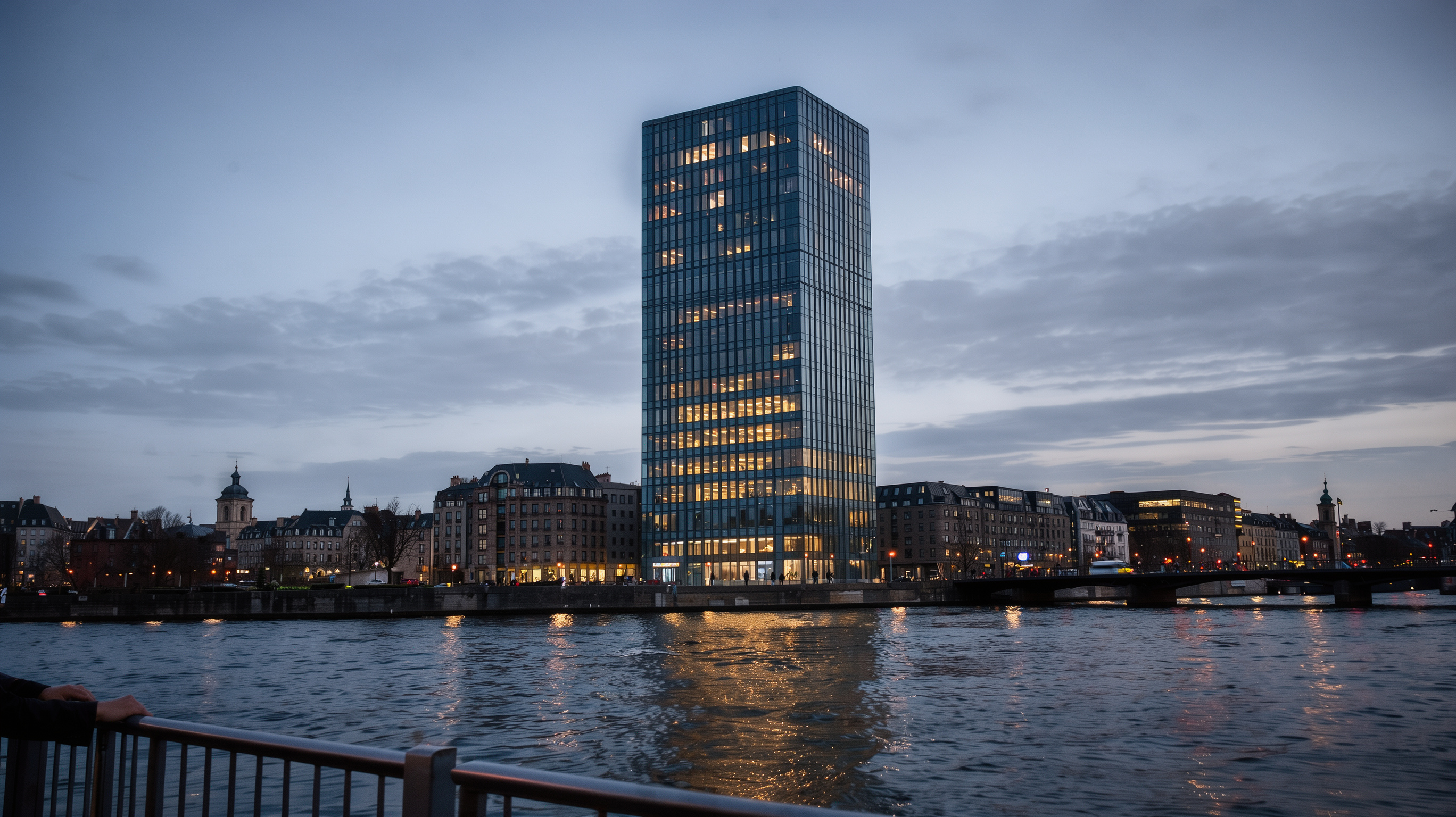
Nowhere is that caution plainer than in the forecasts themselves. S&P Global's expectation of parallel ECB and Bank of Japan hikes in December suggests both institutions see the energy windfall as temporary, not a signal to ease off. The Reserve Bank of Australia's November Statement on Monetary Policy kept its own focus on inflation risks, even as global energy costs retreated.
That posture is not reckless. It reflects a plain lesson of the past two years: energy-driven disinflation can reverse as fast as it arrives. The US Energy Information Administration's November outlook described a market still adjusting to the recent supply swing, and CNBC reported that recovering exports, not a durable settlement, were doing the heavy lifting on price.

Analysts at RBC see the calculus as unchanged. Central banks, in their reading, will not loosen their grip on inflation expectations until core prices confirm the disinflationary trend. KBC's own forecast revision, small as it is, points the same way. A tenth of a percentage point is a nudge, not a reversal.
How long the current calm in the Strait of Hormuz survives is the open question hanging over all of this. Birol's warning sits uneasily next to the price charts: crude has fallen even as attacks have continued at roughly daily frequency through November. If disruption resumes at anything like the scale seen earlier in 2026, the disinflationary story could reverse as quickly as it appeared.
For now, the next test lands in December, when the ECB and the Bank of Japan are each expected to raise rates on the assumption that an oil market this calm stays that way.
Sources
- International Energy Agency — Oil Market Report - November 2026 - IEA2026-11-13
- Reserve Bank of Australia — Outlook | Statement on Monetary Policy – November 2026 | RBA2026-11-03
- U.S. Energy Information Administration — Short-Term Energy Outlook - U.S. Energy Information Administration (EIA)2026-11-16