MarketPedia Inc.™
Geopolitics · 18 November 2026
GeopoliticsAnalysis
EU defence ministers draw a harder line on China
Ministers meeting in Brussels on 17 November linked Beijing's tech exports to Russia's war effort, as the bloc extended its Ukraine training mission through 2028.
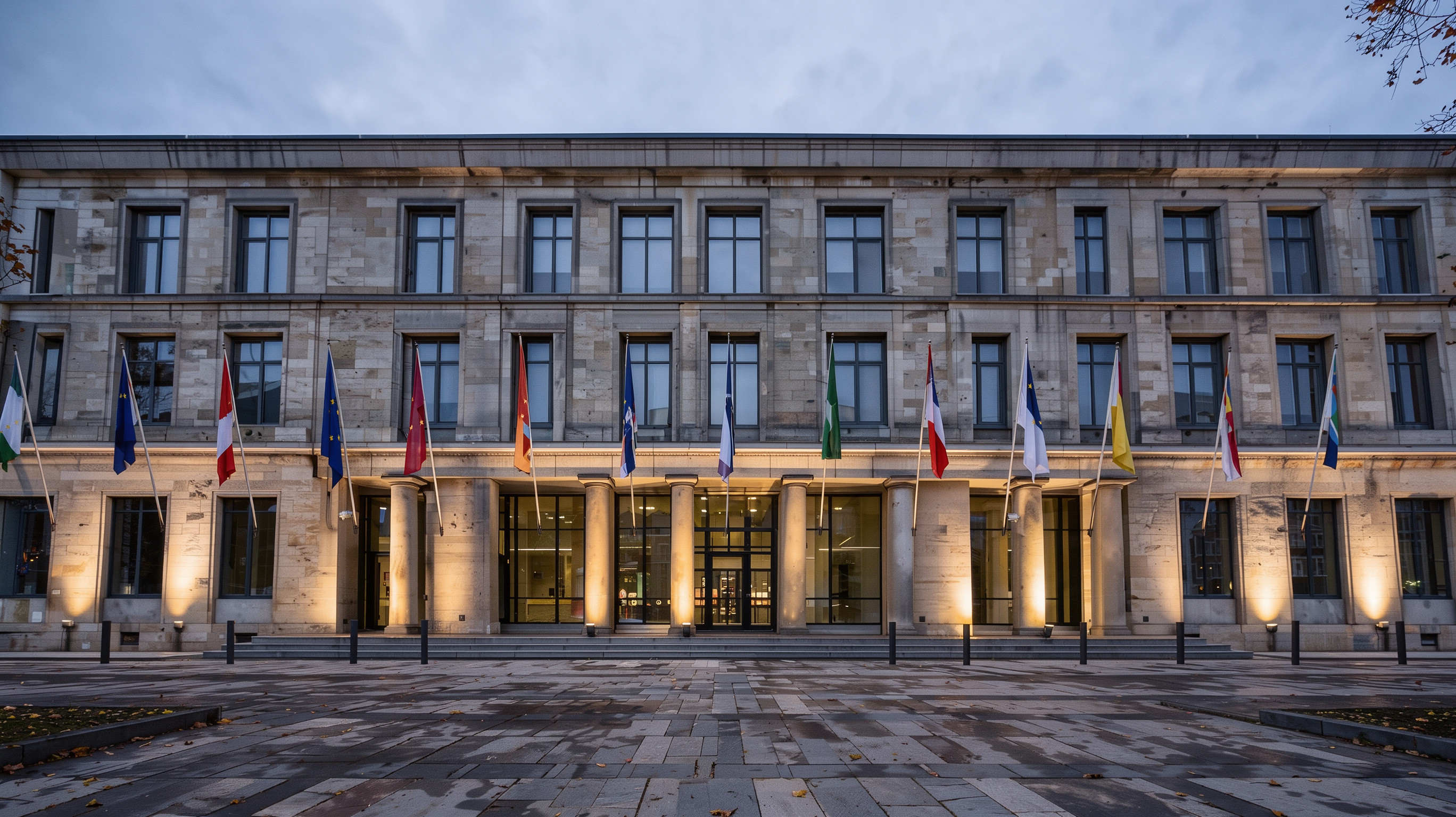
Foreign ministers from the European Union's 27 member states met in Brussels on 17 November for a Foreign Affairs Council session devoted to a single, unusual item: the security and defence dimensions of the bloc's relationship with China.
The talks centred on two intertwined problems: dependency on Chinese supply chains and the flow of dual-use technology into Russia's war effort. It was the first time ministers framed the China file in defence terms rather than trade terms.
That reframing is the news here. The EU has mostly treated Beijing as a commercial rival, managed through tariffs and investment screening. Tuesday's session treated China instead as a party whose exports shape events on the battlefield in Ukraine.
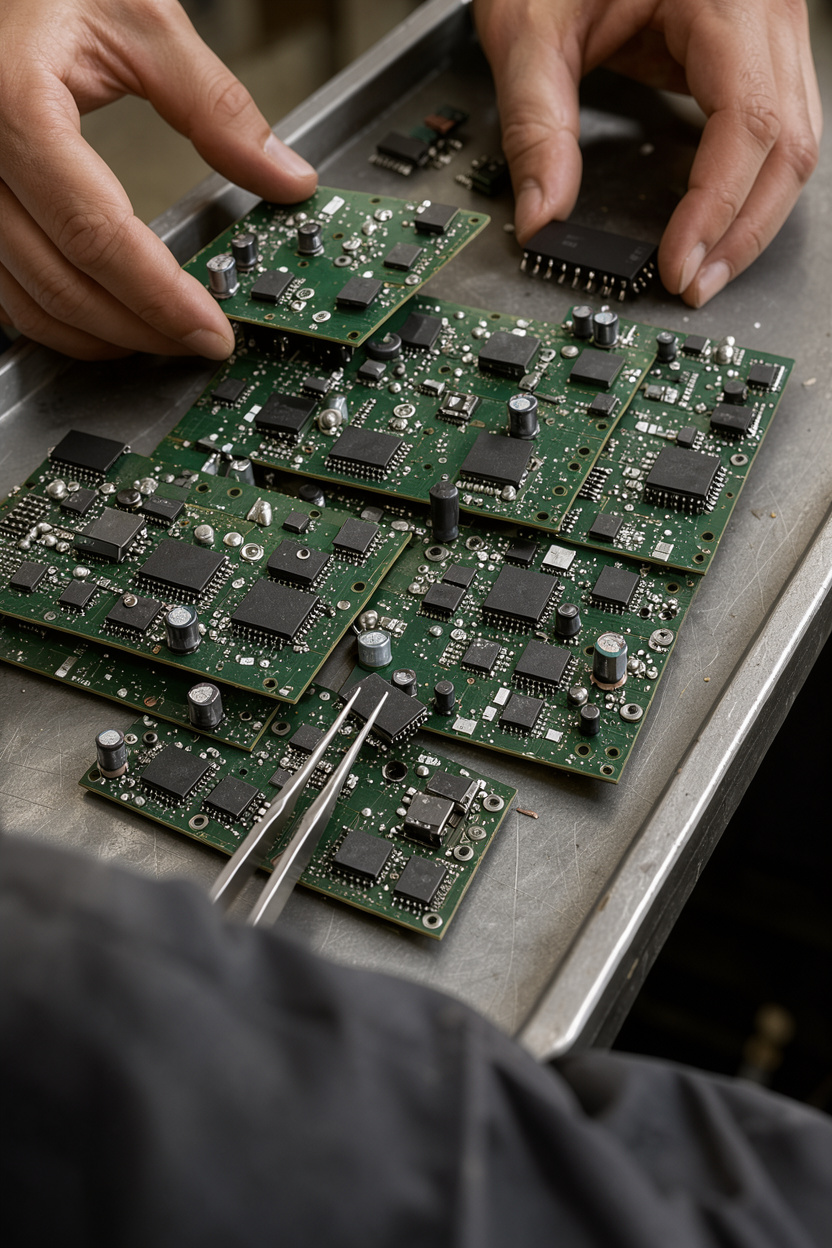
The shift followed a G7 foreign ministers' declaration, issued in Paris on 9 and 10 November, that formally condemned China's provision of weapons, military training and dual-use components to Russia. Chinese-made semiconductors have turned up in lethal drones on the Ukrainian front, and Chinese personnel are alleged to have helped train Russian soldiers, according to a report by Euronews.
Supply chains as a security file
Until now, questions about Chinese semiconductors and industrial components sat mostly with trade officials and single-market regulators, not defence ministries. Moving them onto a defence council agenda changes who owns the problem inside the EU's bureaucracy, and which tools might eventually be brought to bear.
It does not yet change the toolbox itself. The EU has not announced sanctions or export controls aimed at specific Chinese entities tied to dual-use exports. Nothing in the Council's account of the 17 November meeting points to a timetable for one.
Any sanctions on Chinese entities would require unanimous agreement among the EU's 27 governments, the same bar that has slowed earlier sanctions rounds against Russia itself. That procedural fact, more than any lack of political will in Brussels, is the likeliest explanation for why ministers used Tuesday's session to state the problem rather than approve a remedy.
The gap also explains the two-track character of the EU's approach this month. Ministers are hardening their language toward Beijing's material support for Moscow while keeping 27 capitals aligned on when any ceasefire talks with Russia should begin, so that pressure on China and pressure on Russia work together rather than against each other.
Training the long war
The China discussion landed on ministers' desks a week after the Council extended the mandate of the EU Military Assistance Mission for Ukraine, known as EUMAM, by two years, to 15 November 2028, with a budget of close to €300 million. The mission has trained more than 100,000 Ukrainian soldiers since it began in October 2022.
Ministers on 17 November also heard a briefing from Yevhenii Khmara, Ukraine's defence minister, on Kyiv's need for air defence equipment ahead of another winter of strikes on the power grid. The EU is establishing a presence inside Ukraine, meant to allow direct coordination with Ukrainian forces rather than running training purely from outside the country.
European governments, collectively, are spending an estimated 0.1 to 0.2 percent of their combined GDP on aid to Ukraine, according to figures cited by Kaja Kallas, the EU's foreign policy chief. That is a thin slice of output to sustain a war approaching its fifth year. It leaves Brussels with little room to claim the burden is shared evenly across the bloc.
Talks on Moscow's terms
The China file and the Ukraine file meet at a single worry inside the EU: that any rush toward peace talks could reward Moscow while it still receives outside help to fight. Member states have not converged publicly on how to sequence any such approach.
Kallas told reporters in Brussels on 16 November that a ceasefire has to come first. "What we need to see is a ceasefire to actually start the talks about anything else. We don't see that at the moment because it is (Russia) really escalating," Kallas said.
Kallas added that Russia's current negotiating demands remain maximalist, a sign Brussels does not expect Moscow to soften its position without outside pressure.
A joint statement issued by the UK and Nordic-Baltic states on 16 November linked European security, the China question and support for Ukraine.
Brussels has condemned China's role, extended its training mission and drawn a line on ceasefire timing. It has not said how it will act against Chinese suppliers, or how a European presence inside Ukraine will avoid becoming a target in its own right.
Kęstutis Budrys, Lithuania's foreign minister, put the risk in blunt terms. "It provides a lot of chances for Russia to get something out of it. So we shouldn't fall into this trap," Budrys said, warning against entering security talks with Moscow before a ceasefire takes hold.
Sources
- Council of the European Union — Foreign Affairs Council (Defence) - consilium.europa.eu2026-11-17
- Council of the European Union — Ukraine: Council extends EU Military Assistance Mission mandate for two years - Consilium2026-11-09
- French Ministry for Europe and Foreign Affairs — Joint declaration following the G7 Foreign Ministers Meeting in Paris on 9 and 10 November 2026 | France Diplomatie2026-11-11
- European External Action Service — Foreign Affairs Council: Press conference by High Representative Kaja Kallas | EEAS2026-11-16