MarketPedia Inc.™
Geopolitics · 19 November 2026
GeopoliticsAnalysis
EU pushes to revive Syria's dormant trade pact
Foreign ministers agreed on November 16 to keep working toward signing the 2008 Association Agreement, using aid and trade access as leverage over Damascus.
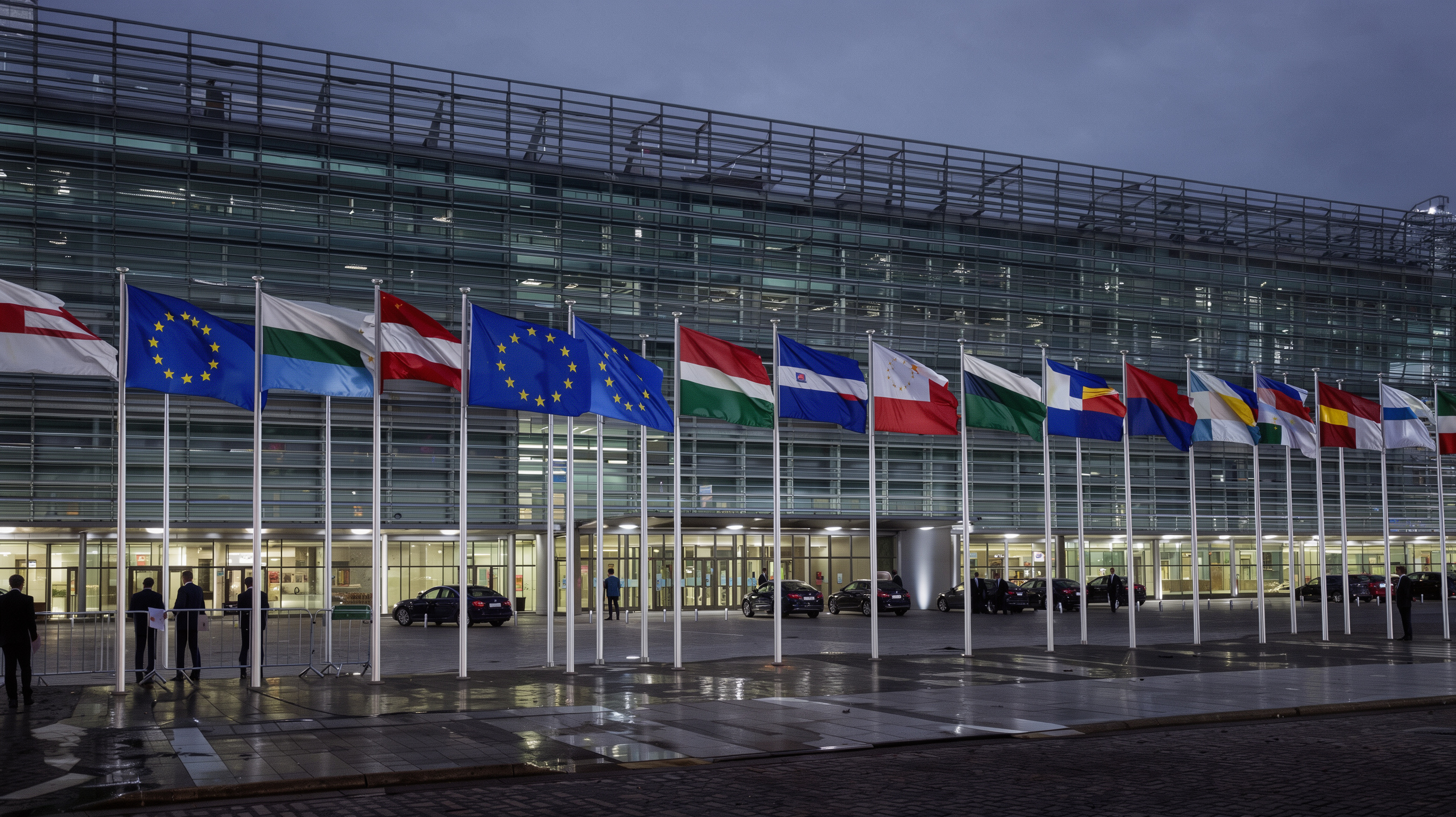
EU foreign ministers meeting in Brussels on November 16, 2026, agreed to keep working toward signing the 2008 EU-Syria Association Agreement, and to modernize it at the same time. The accord was negotiated under the government of Bashar al-Assad but never concluded. It has sat unsigned for eighteen years.
The ministers' move is the clearest sign yet that the European Union has swapped isolation for conditional economic engagement with Damascus since the Assad regime collapsed in late 2024. The bet Brussels is making: that money, trade access and technical support can buy reform, stability and, eventually, the return of refugees who fled the civil war. Brussels is also wary of Russia filling the vacuum left by Assad's fall, a concern the Council flagged as strategic.
"We have proposed elevating our relationship with Syria to another level, and that is because we really see that Syria needs a lot of investments," said Kaja Kallas, the EU's High Representative and Vice-President, arriving at the Foreign Affairs Council on November 16. "Syria needs support to build up their institutions, to do their reforms," she said.
From isolation to leverage
The shift did not happen overnight, and it has not erased every condition. Targeted EU sanctions against figures from the former regime remain in force until at least June 1, 2027, a reminder that Brussels has kept leverage in reserve even as it opens the door to investment. The Association Agreement itself carries a built-in tension: reviving a legal text drafted for a different Syria, under a different government, while rewriting enough of it to fit a fragile and unfinished transition.
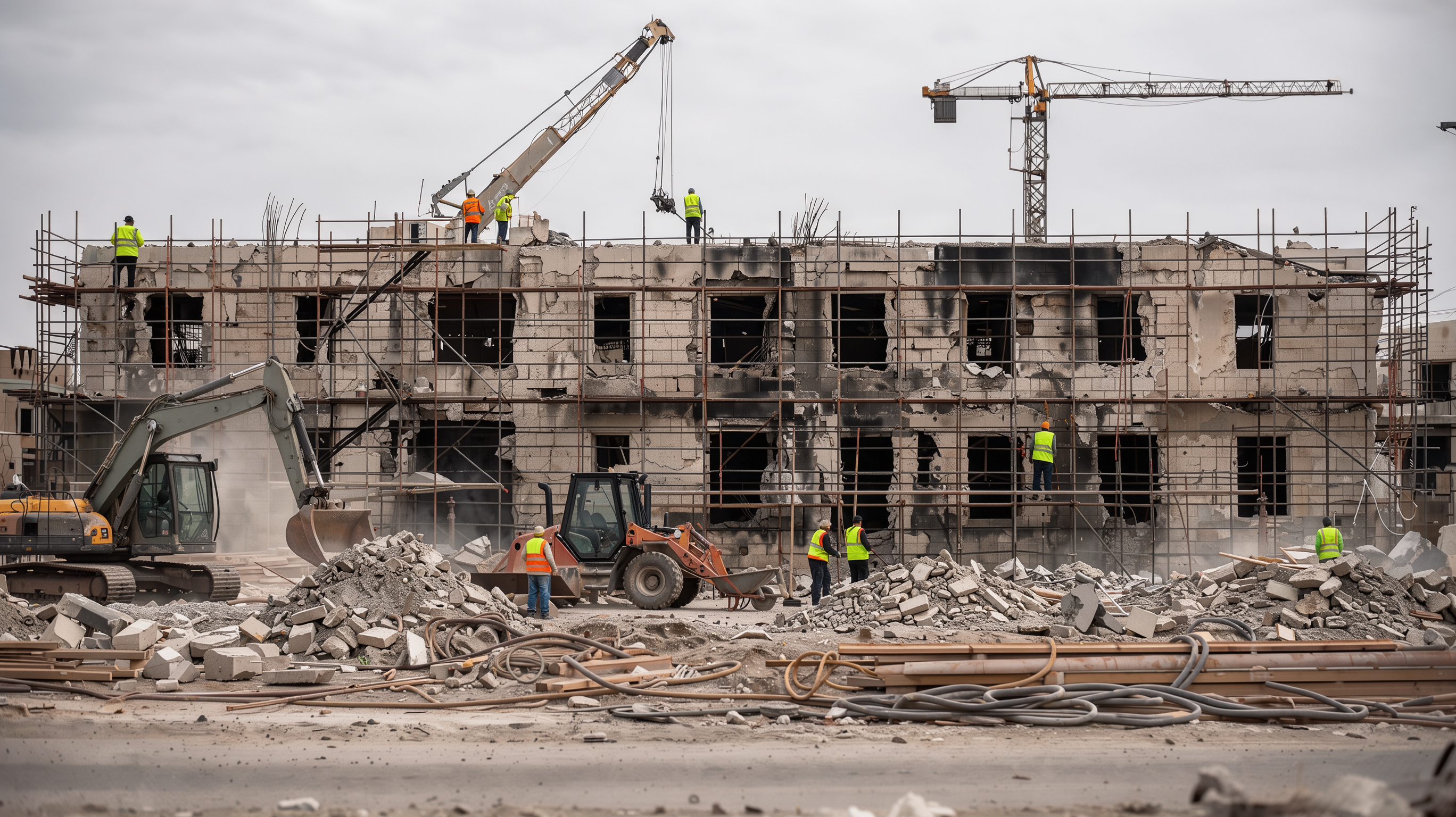
A day after the Foreign Affairs Council, on November 17, the Syria Partnership Coordination Forum convened in Damascus to line up international aid with reconstruction needs. The European Commission used the gathering to confirm a €620m funding package for Syria covering 2026 and 2027, of which €340 million is earmarked for social and basic services. That is the clearest financial signal yet of how far the EU is prepared to go.
Money with strings attached
Trade is moving alongside aid. Syria has signed an undertaking to implement the EU's Registered Exporter system, the mechanism exporters use to certify goods for preferential access to European markets. On November 16 the EU also launched a €15m Syria Technical Assistance Hub to support institutional reforms in Damascus.
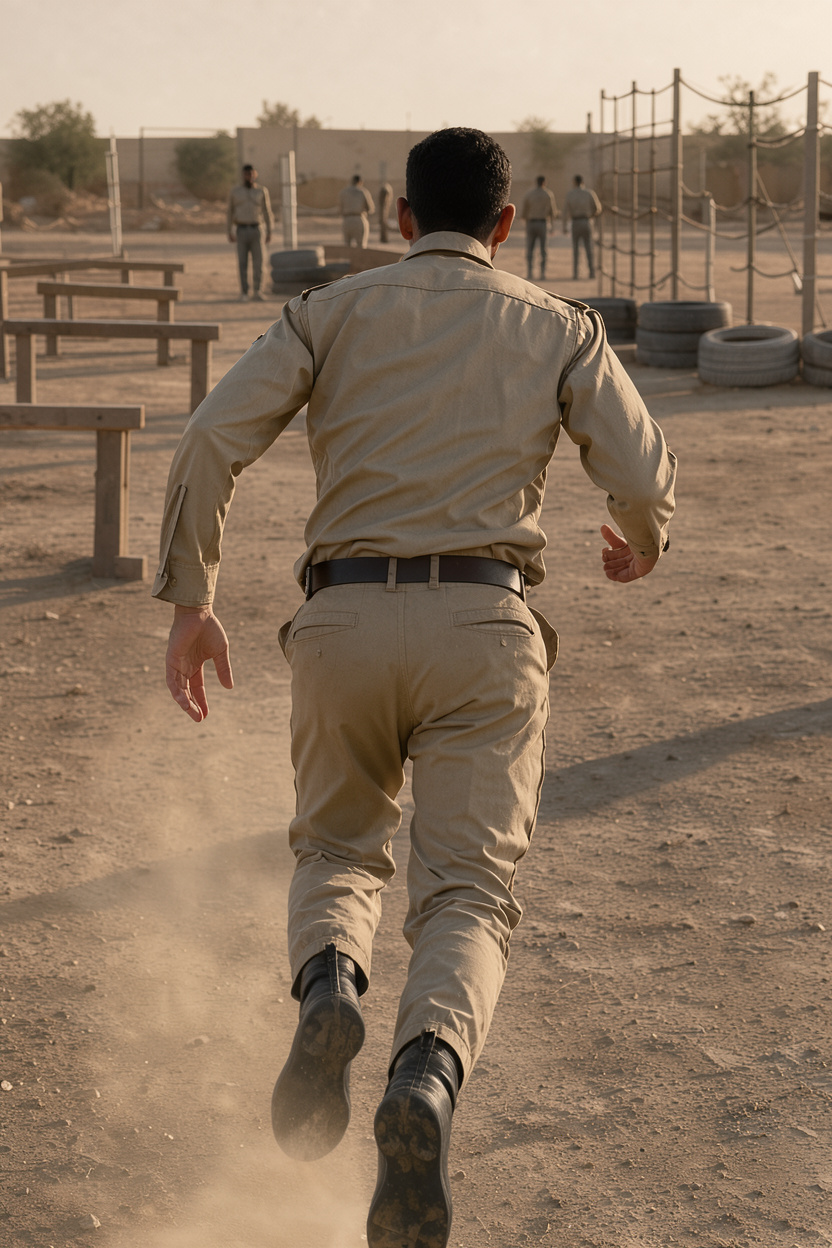
Security cooperation sits in the same package. The EU is financing the training of 900 Syrian police officers in Jordan, part of a trilateral program meant to rebuild policing capacity ahead of any large-scale refugee returns. Syria's finance minister, Yisr Barnieh, has projected real GDP growth of 12.8% for 2026, a figure that reflects how low the starting base is as much as how fast the recovery might be.
What looks likelier, judging by the order in which these measures have landed, is capacity-building now to create the minimal conditions for the investment conference the EU plans to hold in Damascus in 2027. That is a reading of the sequence, not a stated EU objective. Brussels has not described its aid program in those terms.
The Russia question
The Council has flagged Russia's remaining military and economic footprint in Syria as a point of strategic concern. That may help explain why Brussels is moving with less of its usual caution, though the EU has not put it in those words. An Association Agreement finally signed would lock Syria into EU trade and regulatory structures in a way that is harder to reverse than any bilateral arrangement with a single capital, Moscow included.
That calculation sits uneasily next to the EU's other stated priority, the return of refugees. Ministers at the Foreign Affairs Council tied reconstruction explicitly to making return possible, but reconstruction on the scale Syria needs will take years, not months. Figures on how many refugees have actually gone back are not available in the material reviewed for this piece.
Reforms on paper, risks on the ground
Dubravka Šuica, the European Commissioner for the Mediterranean, put the underlying problem in blunt terms. "Nobody will invest capital in a country where the capital is not safe," she said in November, pointing to the institutional and legal reforms Damascus still needs to pass.
Syria's own targets show the distance still to cover. The government wants to raise state revenue from 17 percent of GDP to more than 25 percent by 2030, a jump that would require tax administration and customs reforms well beyond anything agreed so far. Most of the instruments launched this month, the Technical Assistance Hub, the Registered Exporter undertaking, the police training in Jordan, are capacity-building tools rather than binding commitments. They buy time and goodwill. They do not answer how far Damascus must go, legislatively, before the Association Agreement can be signed in whatever modernized form the two sides settle on.
How Brussels reconciles its human rights and rule-of-law conditions with the realities of a transitional government is also unresolved. The sanctions regime due to run until at least June 2027 suggests the EU wants leverage in hand well into next year, not a clean handover of goodwill. Whether that caution will clash with other outside investors moving faster into Syria is a question the material reviewed for this analysis does not answer.
There is a legitimacy question too, one no funding line settles on its own: whether ordinary Syrians see Brussels-backed reconstruction as a genuine stake in their own recovery or as another outside project layered onto a fractured state. Nothing in the record reviewed here, polling or ground reporting, speaks to that either way.
What is fixed is the calendar. The Partnership Coordination Forum has set the aid architecture moving, the Technical Assistance Hub is live, and the 2027 investment conference in Damascus is the date now circled in both Brussels and Damascus. Whether the Association Agreement is actually signed before then, in whatever modernized form the two sides can agree on, is the test that will outlast everything issued on November 16.
Sources
- Council of the European Union — Foreign Affairs Council, 16 November 20262026-11-16
- European Commission — EU advances Syrian recovery and reconstruction through Syria Partnership Coordination Forum2026-11-17
- European External Action Service — Foreign Affairs Council: Press remarks by High Representative/Vice-President Kaja Kallas upon arrival2026-11-16