MarketPedia Inc.™
Geopolitics · 18 November 2026
GeopoliticsNews report
Quad powers unveil new maritime and cyber pacts in Manila
The agreements, announced on November 17, point to a 2027 surveillance drill whose location is still unconfirmed and an $85 million AI accelerator, deepening economic-security ties among the four democracies.
Leaders of the Quad renewed their security partnership in Manila on Tuesday, unveiling a new maritime surveillance initiative and an expanded cybersecurity programme for the Indo-Pacific.
The announcements came during the ASEAN summit season rather than as a stand-alone Quad summit, marking the group's first leader-level meeting in more than two years.
President Donald Trump of the United States, Prime Minister Narendra Modi of India, Prime Minister Anthony Albanese of Australia and Prime Minister Sanae Takaichi of Japan took part.
No updated figures on shipping insurance costs or regional risk premiums tied to the announcements were released in Manila. Such figures, if they exist, typically come from insurer filings and benchmark indices. None were part of the material made public on Tuesday.
A watch in the Pacific
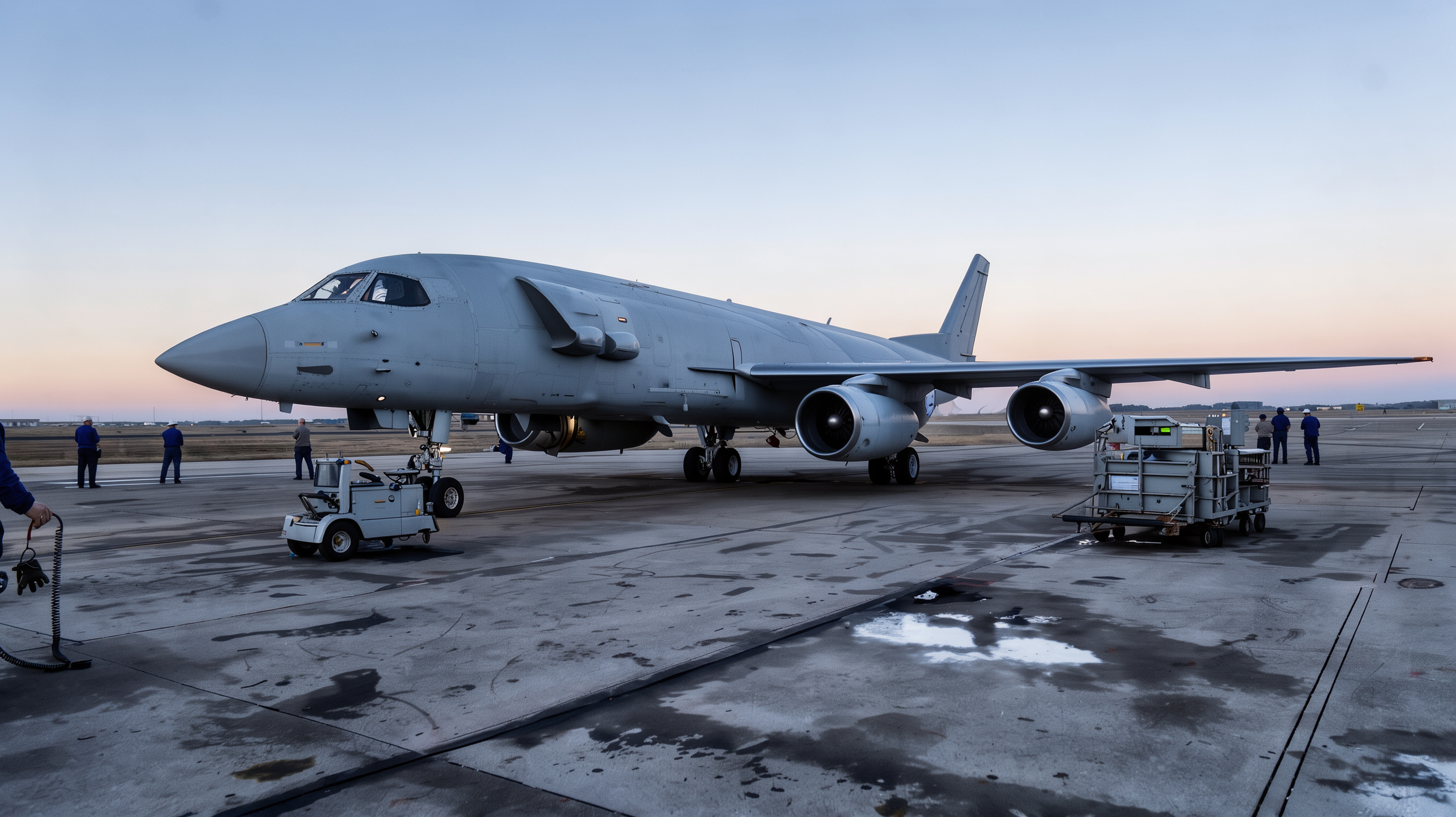
The centerpiece is the Indo-Pacific Maritime Surveillance Collaboration, built to widen information sharing and sharpen maritime domain awareness among the four countries.
P-8 and P-3C patrol aircraft from India, the United States, Australia and Japan will take part in a first exercise under the new framework, due in 2027, according to the joint statement issued by the four governments.
Vikram Misri, India's foreign secretary, said the exercise is planned to coincide with the existing Exercise Sea Dragon. A live blog of his briefing cited March 2027 and Guam as the timing and location, a level of detail the joint statement itself does not include.
"This is an exercise and an initiative that will take forward the existing cooperation between the Quad countries on maritime domain awareness," Misri said. "It will address shared challenges such as illegal fishing and trafficking, etc."
Cyber, cables and artificial intelligence
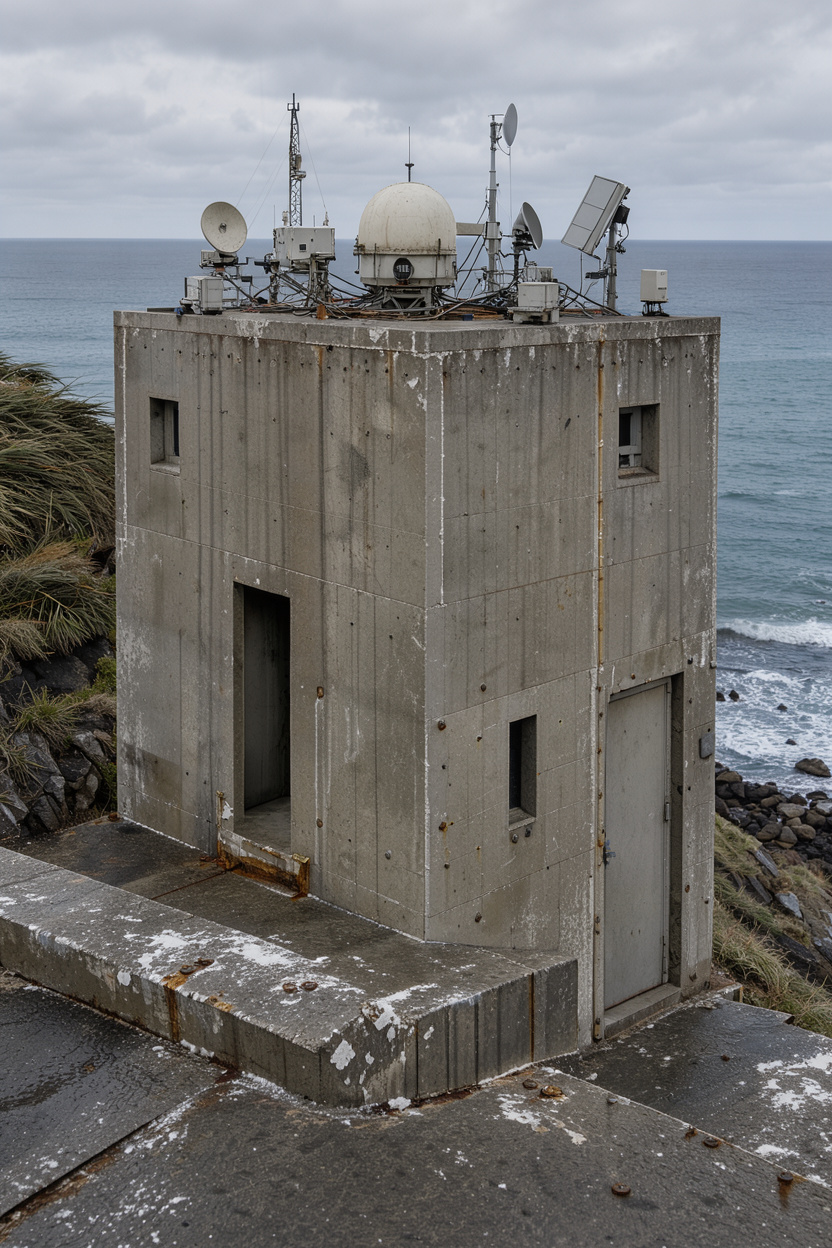
On cyber defense, the four governments launched what they call Enhanced Quad Cybersecurity Cooperation, citing a rising number and scale of cyber incidents across the region.
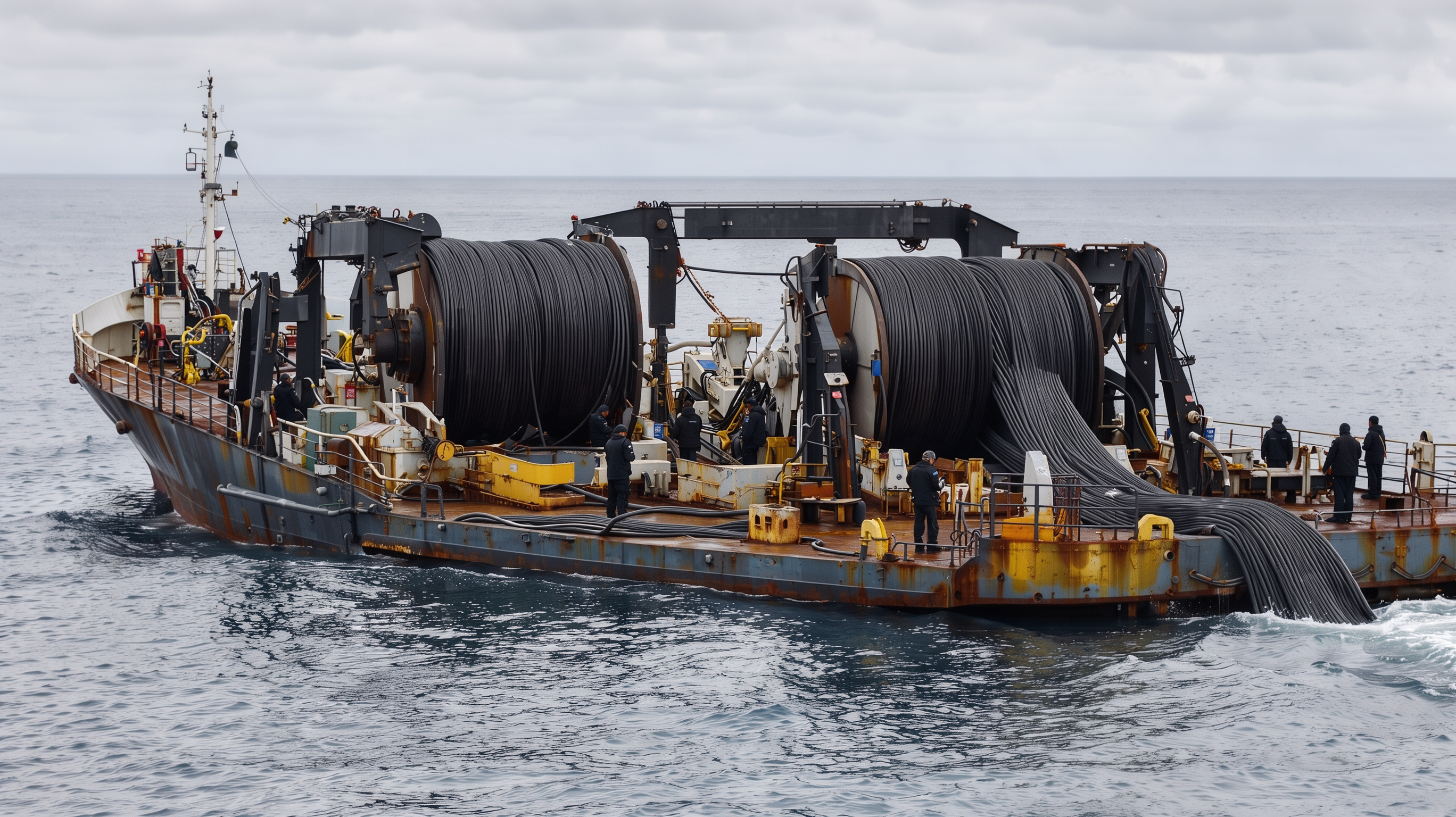
They also expanded the Quad Partnership for Cable Connectivity and Resilience, which had covered undersea communications cables, to include electricity cables and undersea energy projects.
Washington said separately it would invest more than $85 million in a new AI accelerator meant to support what the Quad calls trusted access to, and deployment of, advanced artificial intelligence systems, a programme tied to Australia, India and Japan.
"We want to make sure that the future of critical technology is led by nations that share our values and our shared interests," Trump said. "We want to make sure that it turns out to be as good as it can."
Modi framed the broader effort in similar terms. "For India, the Quad is a constructive and trusted partnership," he said. "From maritime security to trusted supply chains, from new technologies to disaster response, it has been our endeavour that the Quad provides trusted solutions across the Indo-Pacific."
The four governments agreed to hold the inaugural Quad Business Leaders' Forum in early 2027, hosted by India. The material reviewed disclosed no further agenda details beyond the hosting arrangement.
Reading between the lines
The grouping repeated its now-standard disclaimer: the Quad is not a formal military alliance and is not directed at any particular country.
That caveat sits oddly beside the language used elsewhere in the announcements. The repeated stress on "trusted" technology, cables and supply chains tracks years of regional complaints about economic coercion by non-market economies. The more plausible reading of Tuesday's announcements is that the four governments are folding economic security, critical technology and infrastructure resilience into what had largely been a maritime security conversation.

Several questions remain open. The material made available does not specify what technical assistance will accompany the $85 million AI accelerator beyond the funding figure itself, nor whether that sum is new money or a reallocation of existing funds. Nor does it say how new surveillance data will mesh with ASEAN-led maritime security frameworks already operating in the same waters. Criteria for what counts as a "trusted" technology provider under the cyber and AI arrangements have not been published.
Whether the planned exercise becomes a recurring fixture or a one-time demonstration of interoperability is also unclear. The four governments have not addressed that question publicly.
The joint statement issued in Manila does not say exactly where, or precisely when, next year's exercise will take place. Officials have so far committed only to a year: 2027.