MarketPedia Inc.™
Geopolitics · 17 November 2026
GeopoliticsInvestigation
Trump, Xi and Putin meet as arms pact lies dead
The first trilateral summit between sitting US, Chinese and Russian leaders convenes in Shenzhen on Thursday with no binding nuclear limits in force and Beijing still resisting three-way arms talks.
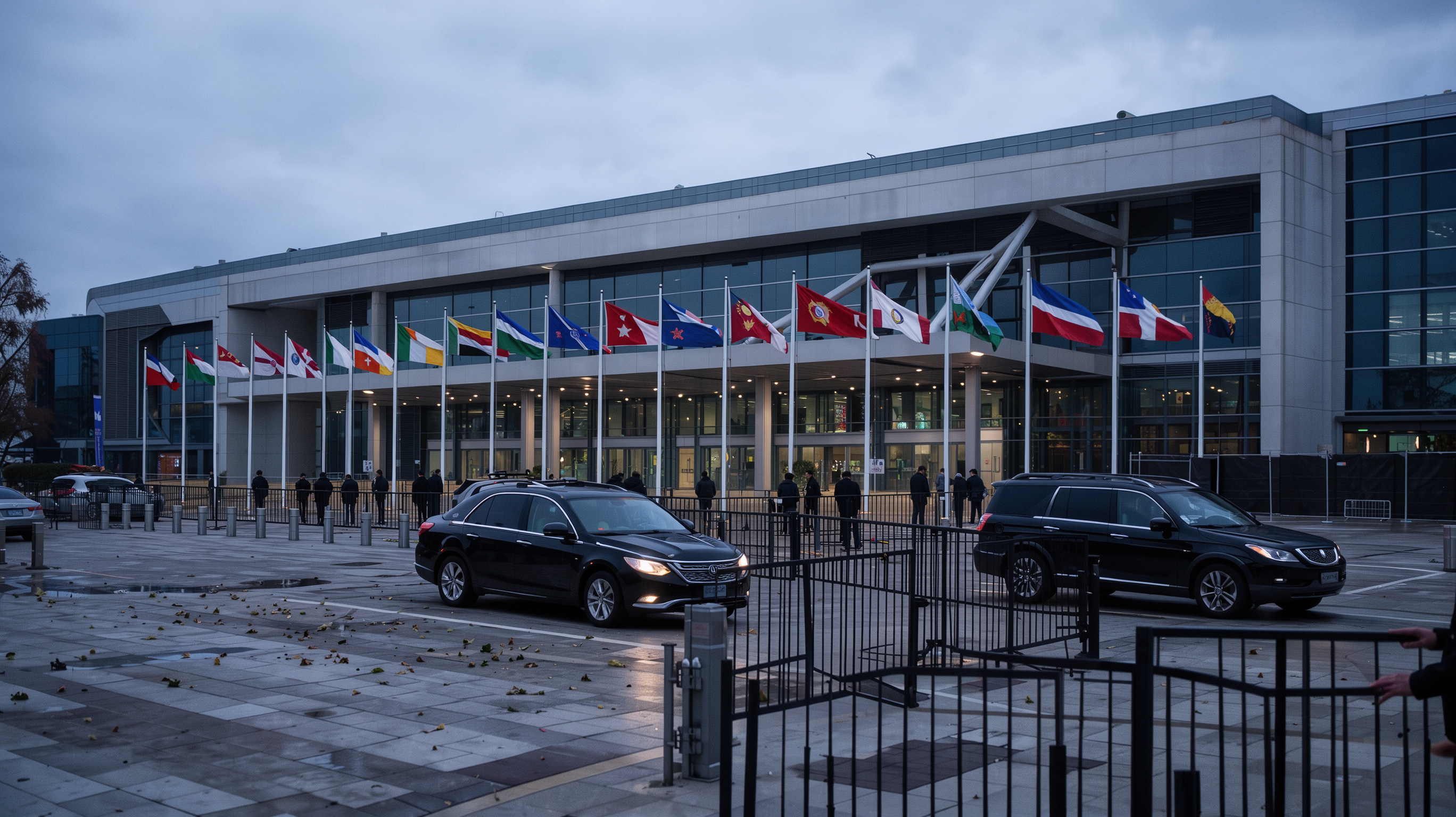
Donald Trump, Xi Jinping and Vladimir Putin will sit down together on Thursday, 19 November 2026, in Shenzhen, on the sidelines of the APEC summit.
It is a meeting without precedent. Never before have the sitting leaders of the United States, China and Russia held a trilateral summit of their own. The three men will share a room while the treaty architecture that once governed the world's two largest nuclear arsenals sits unreplaced.
A treaty already gone
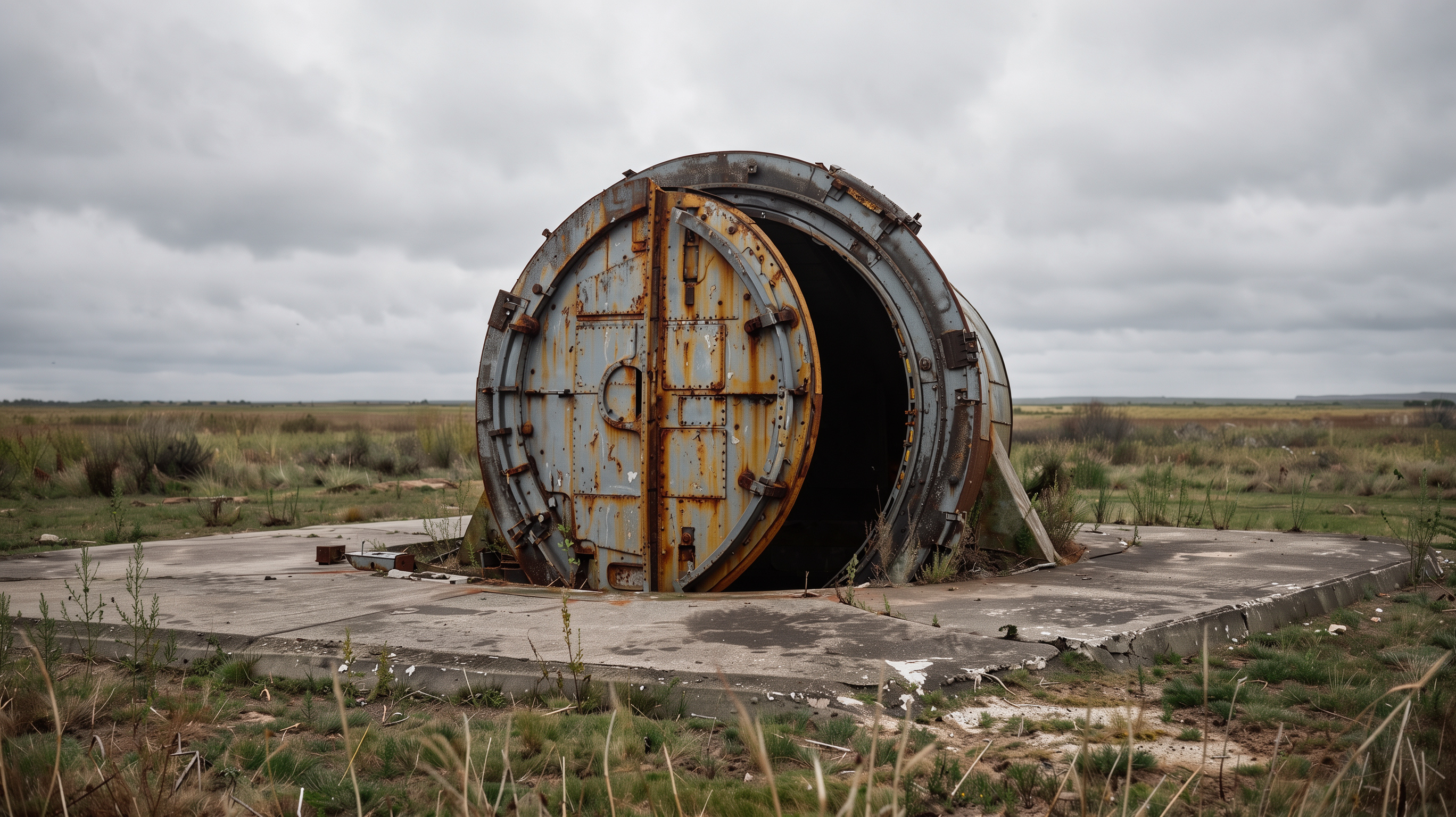
The New START accord, the last binding limit on US and Russian strategic nuclear arsenals, expired on 5 February 2026. For more than nine months the two countries have operated without a cap on deployed warheads or delivery systems. There are, as of Thursday, zero binding limits on either arsenal. That gap predates this week's diplomacy and will outlast it regardless of what is said in Shenzhen.
Trump has signalled he wants to raise the subject directly. "We're going to talk about denuclearisation, tough subject because it's very hard for any of us to say we'll get rid of our nukes, right?" he told reporters on 16 November. The remark, delivered almost as a shrug, is itself telling: the US president is framing the goal as aspirational, not close at hand.
China's foreign ministry has reached for grander language. Spokeswoman Mao Ning called the summit a meeting "of ground-breaking significance" at a briefing the same day. Beijing's official framing centres on "world peace" and "strategic stability", language that has run through Chinese state messaging in the run-up to the summit.
The gap between Beijing's language of world peace and Washington's language of denuclearization is the story itself.
Beijing's math problem
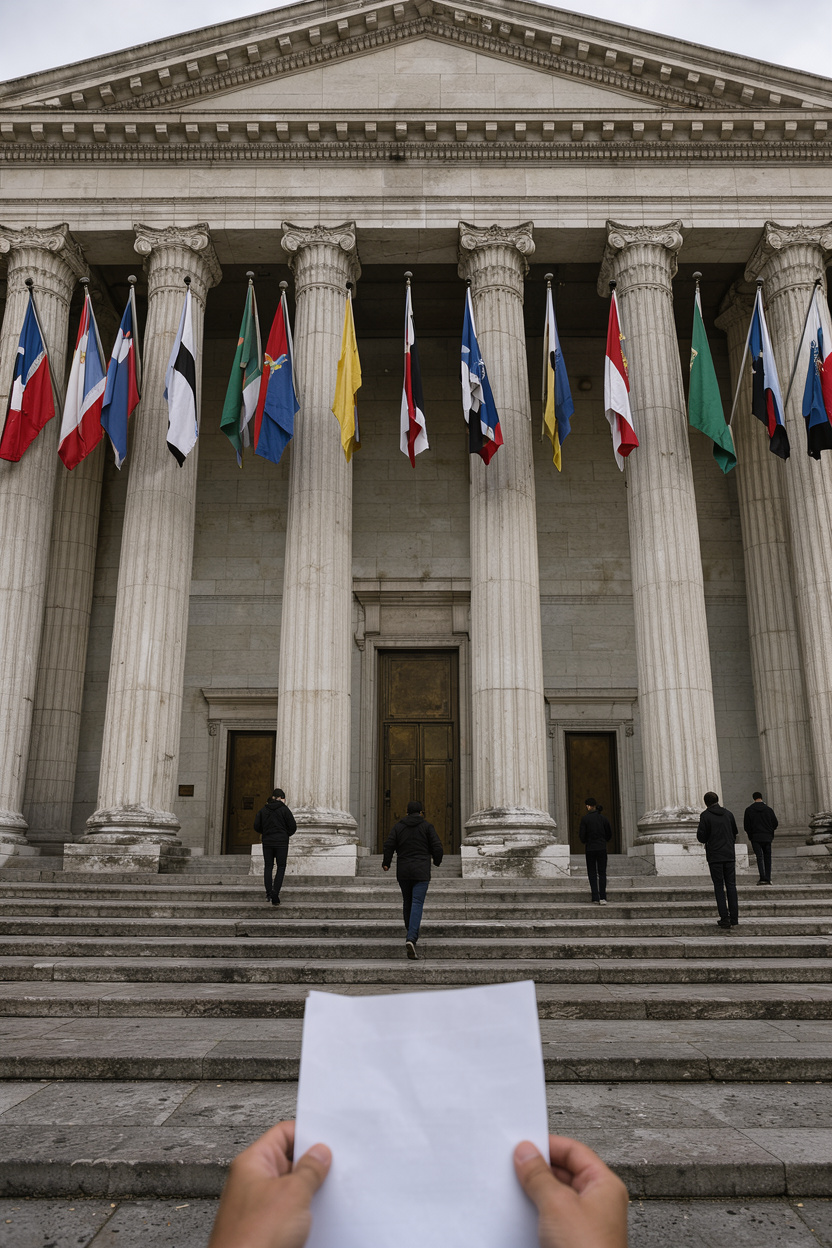
China has for years declined to join trilateral arms control talks, arguing that its arsenal cannot reasonably be measured against the far larger US and Russian stockpiles. That position predates this week and nothing in the public record suggests it has moved by Thursday evening.
The more likely outcome, according to analysts tracking the summit, is a communique that gestures toward future dialogue on strategic stability without naming firm ceilings on Chinese weapons. Washington's stated goal is a modernised framework that folds Beijing in; China's long-standing counter is that Washington and Moscow should cut their own stockpiles first. Neither position has shifted publicly ahead of Shenzhen.
Analysts covering the summit have urged a particular kind of patience: calibrate expectations to atmosphere rather than text. A photograph of three leaders at one table, not a signed limit on missiles, is the likeliest image to come out of the room.
Ukraine, Iran and the shadow of Yalta
The agenda itself was contested before the leaders sat down. The Kremlin and the White House have sent conflicting signals on whether the war in Ukraine will be discussed at all. Trump's own agenda, as described by officials ahead of the trip, folds in the war in Iran and trade questions alongside arms control.
That ambiguity has alarmed Kyiv. Ukrainian President Volodymyr Zelenskyy has said he fears the meeting could amount to a "redistribution of spheres of influence", an explicit echo of the 1945 Yalta Conference, where Washington, Moscow and London carved up postwar Europe without Poland in the room.
The comparison is not exact. Yalta produced written agreements among three wartime allies dividing territory between them; Shenzhen is a summit among three nuclear powers with no war between any two of them. But the fear voiced from Kyiv is specific: that Ukraine's war could be shaped by leaders sitting in a room it does not occupy.
What Guterres wants, and what is likely
UN Secretary-General António Guterres offered the clearest benchmark for success, speaking at a separate summit in the region. "If the three leaders really commit themselves to a meaningful denuclearisation, it will be a great achievement for the world," he said.

It is a high bar. Nothing in the public record indicates any of the three governments has agreed to binding commitments on arms reduction ahead of the meeting. The modest version of events now circulating among analysts involves a joint statement affirming dialogue, perhaps a working group on strategic stability, and continued ambiguity on Ukraine. Concrete cuts to deployed warheads, by any of the three states, do not appear to be on the table.
What happens with Iran inside the room is not yet reported with any specificity. Officials in Washington have listed it among Trump's topics, but no outcome has been described in advance.
The three delegations land in Shenzhen on Thursday. Whatever language survives the meeting, the warhead counts on both sides of the Pacific will still be unbound by treaty when the motorcades leave the city.