MarketPedia Inc.™
Geopolitics · 21 November 2026
GeopoliticsNews report
West presses Iran to reopen bombed nuclear sites
Washington, London, Paris and Berlin told the IAEA this week that Tehran's refusal to grant access since February has left inspectors blind to its declared uranium stockpile.
Four Western governments accused Iran on November 19 of stonewalling United Nations nuclear inspectors, telling the International Atomic Energy Agency's Board of Governors in Vienna that Tehran has barred access to its bombed atomic sites since February.
The agency says it can no longer confirm that Iran has not diverted nuclear material from civilian use. That gap sits at the center of a standoff that has stalled diplomacy for nine months.
The impasse unfolds while diplomats work to end the war that began in February. A verification void at this stage leaves negotiators without an independent account of Iran's nuclear status, a gap that complicates any settlement, according to the Quad statement and the IAEA's briefing to the Board.
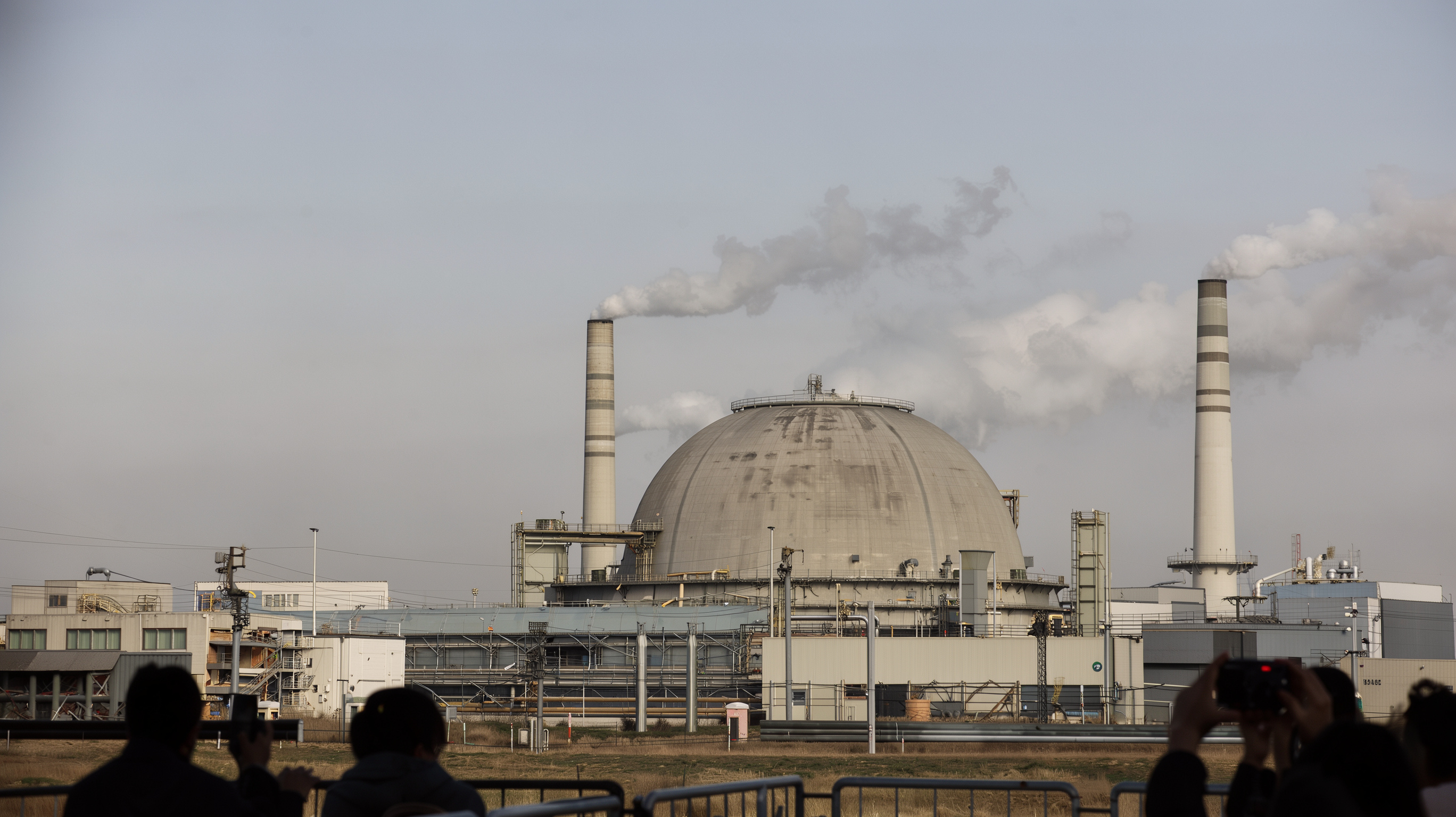
Since February 2026, the only in-field verification activity the IAEA has carried out inside Iran has been at the Bushehr Nuclear Power Plant, where inspectors are overseeing the transfer of spent fuel to a new dry storage facility, the Quad statement said. Every other declared site, including the Isfahan Fuel Enrichment Plant, has stayed off limits since the strikes, the same statement said.
Rafael Grossi, the IAEA's Director General, told the Board of Governors in Vienna on November 18 that the agency cannot rule out diversion of nuclear material without renewed access.
"Unless Iran provides us with information regarding the status of its declared nuclear material and facilities and access to those facilities to conduct in-field verification activities, the Agency will not be able to conclude that there has been no diversion of declared nuclear material from peaceful nuclear activities in Iran," Grossi said.
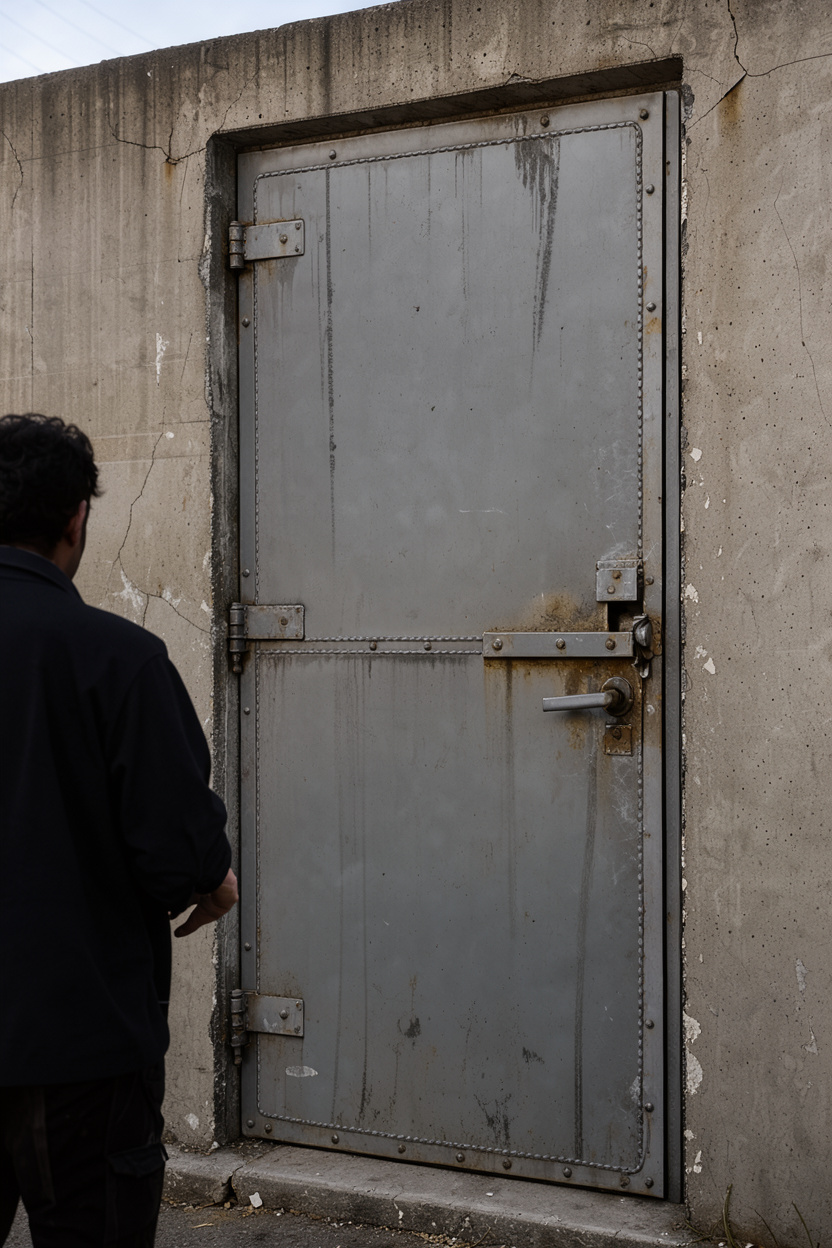
Grossi said the agency has gone without continuity of knowledge over Iran's previously verified stockpile of high-enriched uranium for about 18 months. That stockpile was last confirmed before Israeli and American strikes on Iranian facilities in June 2025 and before the wider conflict that opened in February 2026, the IAEA has said.
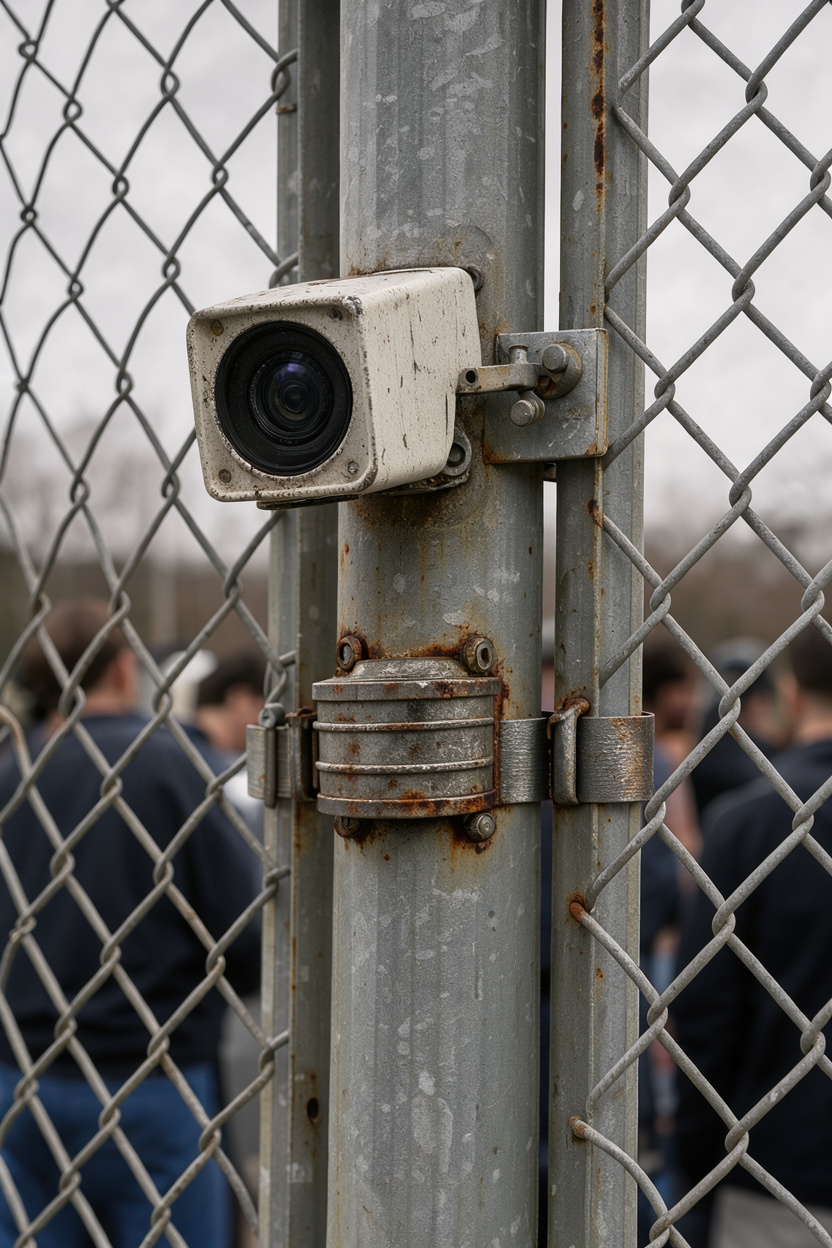
In IAEA terms, continuity of knowledge means an unbroken chain of camera footage, seals and inspector visits that lets the agency account for nuclear material at all times. Without it, Grossi said, the agency can no longer rule out that material was moved or diverted while inspectors were shut out.
Iran has set its own terms for letting inspectors back in. Kazem Gharibabadi, the Iranian deputy foreign minister, said in a televised interview on November 15 that Tehran will not grant the IAEA access until its conditions are met and the war has permanently ended.
"We will not grant the IAEA access to the facilities until Iran's conditions are met and the war has permanently ended," Gharibabadi said. Iran formalized that position in a letter to the agency dated November 11, formally blocking inspectors from visiting the bombed sites, according to the agency's records.
The likelier reading among diplomats who briefed the Board this week is that Tehran is treating access as a bargaining chip in the wider negotiations over how the war ends, rather than openly racing to rebuild a weapons capability, according to the Quad statement and the IAEA's own account.
That assessment lines up with Gharibabadi's own framing. Access, in Tehran's telling, is contingent on an end to hostilities, not a declared policy of permanent concealment.
The agency's findings leave the underlying question only partly answered. Grossi has not identified any activity to repair or reconstruct the facilities damaged in the 2025 and 2026 strikes, which cuts both ways: it neither confirms a halt to enrichment work nor proves that nothing was moved before inspectors lost access.
Grossi first raised the alarm at the UN Security Council on October 27, warning that the monitoring gap was deepening without a diplomatic opening. The Board session that opened on November 18 in Vienna was the first quarterly meeting since that warning, and it produced no breakthrough on access.
Whether the Board will move to refer Iran's noncompliance formally to the Security Council, and when the next quarterly session will take up the matter, has not been set, according to the agency's public record.
No date has been set for that next session, where Grossi might tell the Board whether Tehran's position has shifted.